Twelve production lines under one roof — apparel, outerwear, headwear and teamwear with in-house printing and private labeling from 25 pieces per style.
What Material Is Viscose? The Complete Expert Guide
By Wearlets TeamJuly 3, 2026Fabric & Materials12 min read
Everything you need to know about viscose material — what it's made of, how it feels, whether it's stretchy or breathable, and exactly how to care for it.
Viscose MaterialRayon vs ViscoseIs Viscose Stretchy?Is Viscose Breathable?Viscose Fabric CareBamboo ViscoseViscose vs CottonWashing Viscose
Section One
What Material Is Viscose? The Simple Answer
Viscose material is a semi-synthetic fabric made primarily from plant-based cellulose fibres. Specifically, it originates from wood pulp — most commonly sourced from trees such as beech, pine, or eucalyptus. Furthermore, it is one of the most widely used clothing materials globally, favoured because of its soft texture and silk-like drape.
Consequently, understanding what material viscose is helps you make better purchasing decisions for your wardrobe or brand. Moreover, as a clothing manufacturer, Wearlets works extensively with viscose fabric material across multiple product lines — from lightweight dresses to blended hoodies and everyday tops.
Key Fact
Viscose material meaning: The name "viscose" comes from the viscous liquid solution created during manufacturing. Additionally, it is classified as a regenerated cellulose fibre — sitting between natural cotton and synthetic polyester.
What Is Viscose Material Made Of?
To understand what viscose material is made of, you need to follow the manufacturing process step by step. First, wood pulp is harvested from fast-growing trees. Next, it is chemically treated with sodium hydroxide to form a cellulose solution. Subsequently, this solution is pushed through fine nozzles — called spinnerets — to form thin filaments.
As a result, those filaments are spun into yarns and, therefore, woven or knitted into the viscose fabric material we use in clothing. Furthermore, the viscose raw material (wood pulp) is relatively sustainable compared to petroleum-based synthetics. However, the chemical process involved means viscose is not a fully natural material — which is a key distinction.
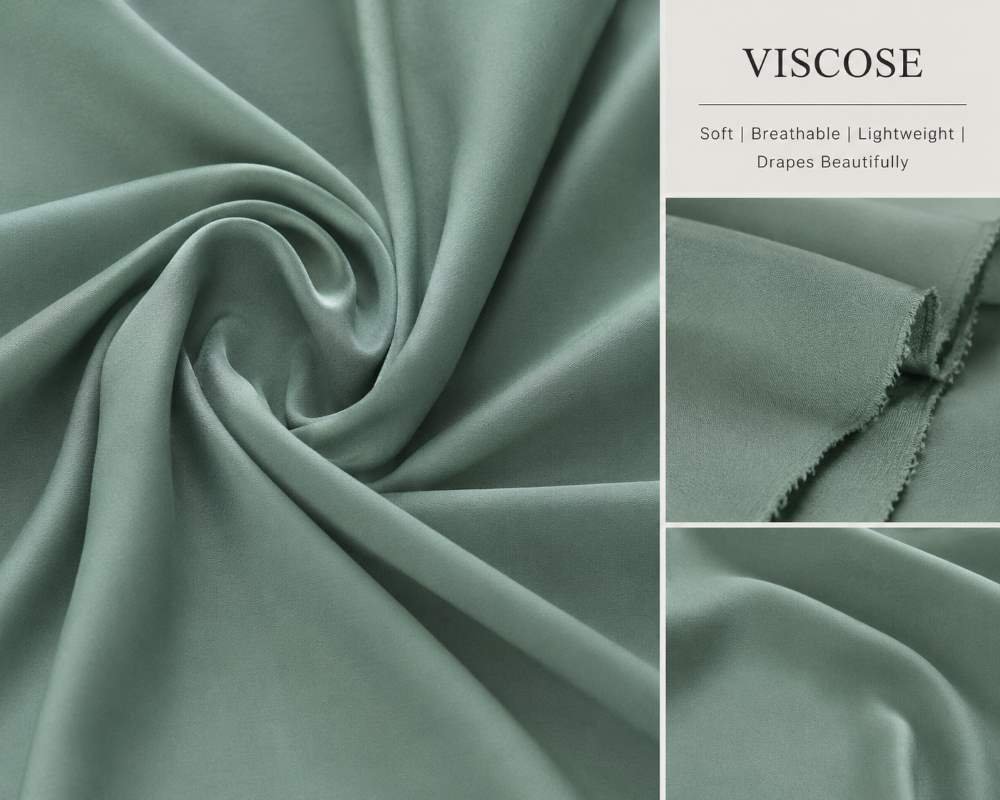
Suggested: Close-up of viscose fabric texture from Wearlets production. Alt text: "Viscose cloth material close-up showing soft texture and silk-like drape"
Viscose Raw Material Sources
Beech wood — most common source of viscose cellulose globally
Pine — produces a slightly coarser fibre, often used in blends
Bamboo — used to produce bamboo viscose material, prized for softness
Sugarcane — a newer, more sustainable viscose feedstock option
Section Three
Viscose Material Definition — The Official Meaning
The formal viscose material definition is: "a regenerated cellulose textile fibre produced by dissolving cellulose in a chemical solution and extruding it through spinnerets to form fibres." Moreover, this definition distinguishes viscose from both natural fibres (like cotton) and synthetic fibres (like polyester).
In practical terms, however, viscose material meaning for most consumers is simply: a soft, lightweight, drapey fabric that feels silky against the skin. Additionally, it is sometimes referred to as viscose rayon or simply rayon — depending on where you are in the world.
"Viscose is what you get when nature's finest ingredient — wood — meets precision chemistry. The result is consequently one of the most versatile fabrics in modern clothing manufacture."
Furthermore, 100% viscose material (i.e., fabric with no blended fibres) is exceptionally soft and fluid. As a result, it is commonly used for dresses, blouses, scarves, and linings where elegant drape is important.
Learn More
For a detailed scientific overview of regenerated cellulose fibres, see Viscose on Wikipedia. Additionally, Textile Exchange provides sustainability benchmarks for viscose production standards worldwide.
Rayon Viscose Material — Is There a Difference?
This is one of the most commonly searched questions: is rayon viscose material the same thing? The short answer is yes — and no. Viscose rayon material refers to the same family of regenerated cellulose fibres. However, in the United States, the term "rayon" is predominantly used, whereas in the United Kingdom and Europe, "viscose" is the standard term.
Therefore, when you see a label that says rayon or viscose, they are technically the same base material. Moreover, polyester viscose material and poly viscose material blends are increasingly common — combining the softness of viscose with the durability and elasticity of polyester.
Quick Clarification
Rayon = Viscose in most contexts. Furthermore, viscose cloth material and viscose fabric material are interchangeable — both describe the finished woven or knitted textile, not the raw fibre alone.
Section Five
Is Viscose a Good Material? The Honest Assessment
So, is viscose a good material? The answer largely depends on how and where you use it. Generally speaking, viscose is considered an excellent clothing material for its softness, breathability, and attractive drape. Nevertheless, it does have some limitations that are worth considering before choosing it for your brand or wardrobe.
On the positive side, viscose is viscose material soft — often described as silkier than cotton. Moreover, it absorbs moisture well, making it genuinely comfortable in warm weather. On the other hand, is viscose good material for activewear or outdoor use? Not ideally — because it weakens when wet and can lose its shape under stress.
✓ Viscose — The Pros
Exceptionally soft and smooth. Furthermore, it drapes beautifully, making it ideal for dresses, blouses, and lightweight tops. Additionally, it is breathable and absorbs dye colours vividly.
⚠ Viscose — The Cons
However, viscose weakens when wet, which means it can distort or shrink. Moreover, it wrinkles easily and may require more careful laundering than cotton or polyester blends.
Is Viscose Material Good or Bad for Skin?
Overall, viscose material good for skin is a fair assessment. Because viscose originates from plant fibres, it is generally hypoallergenic and smooth against skin. Additionally, it does not trap heat as much as synthetics. Therefore, people with sensitive skin often find viscose more comfortable than nylon or polyester.
Furthermore, bamboo viscose material in particular is celebrated for its skin-friendliness — it has natural antimicrobial properties and is exceptionally gentle. Consequently, many baby clothing brands specifically choose bamboo viscose for this very reason.
Read Also
Good On You provides independent ratings on viscose sustainability across major fashion brands. See their viscose sustainability guide for further context on ethical sourcing.
Is Viscose Material Stretchy? Everything You Need to Know
One of the most frequently asked questions is: is viscose material stretchy? The straightforward answer is that pure viscose has minimal natural stretch. Unlike spandex or elastane, 100% viscose cloth material does not have significant elasticity. However, it does have a slight bias drape that can make it feel more flexible than it actually is.
Nevertheless, when manufacturers ask is viscose a stretchy material, the real answer depends on the blend. For instance, viscose and elastane material — or viscose elastane material — is genuinely stretchy and is, therefore, widely used for body-hugging dresses, fitted tops, and sportswear. Similarly, viscose spandex material combines the softness of viscose with the recovery stretch of spandex.
Material Blend
Stretch Level
Best For
100% Viscose
Very Low
Dresses, blouses, loose tops
Viscose + Elastane (5–10%)
High Stretch
Fitted dresses, leggings, bodysuits
Viscose + Spandex
High Stretch
Activewear, swimwear cover-ups
Viscose + Lycra
High Stretch
Body-con styles, jerseys
Viscose + Polyester
Moderate
Workwear, casual tops, blouses
Cotton + Viscose
Low
T-shirts, casual everyday wear
Viscose + Polyamide
Moderate
Sheer blouses, evening wear
Additionally, viscose jersey material — which is a knitted form of viscose — offers more natural stretch than woven viscose, because of the looped stitch construction. Consequently, viscose jersey is, therefore, often chosen for t-shirts, wrap dresses, and casual wear where a degree of stretch is desirable without added elastane.
Section Seven
Is Viscose a Breathable Material? What Science Says
To directly answer is viscose a breathable material: yes, viscose is indeed one of the more breathable fabrics available. Because it is derived from cellulose, viscose absorbs moisture and allows air to circulate effectively. Consequently, it does not trap body heat the way polyester or nylon often does.
Furthermore, is viscose material breathable enough for summer? Absolutely. In fact, viscose material for summer is a widely recommended choice precisely because it stays cool against the skin. Moreover, ecovero viscose material — a more sustainably produced variety — retains all the breathability benefits while reducing chemical waste in production.
Climate Tip
Is viscose material hot? No — quite the opposite. Is viscose a warm material? Not particularly. It is, therefore, best suited to warm or mild climates. However, when blended with wool or fleece, viscose can contribute to warmer garments.
Viscose Material Properties — At a Glance
Property
Viscose Rating
Compared to Cotton
Breathability
Excellent
Similar to cotton, slightly better airflow
Softness
Excellent
Softer than standard cotton
Moisture Absorption
High
Absorbs more than cotton
Stretch (pure)
Very Low
Less stretch than cotton
Durability
Moderate
Weaker than cotton when wet
Colour Vibrancy
Excellent
Absorbs dye more vividly
Shrink Resistance
Low
More prone to shrinking
Drape
Excellent
Much better drape than cotton
Eco Credentials
Mixed
Natural source, chemical process
Section Eight
Viscose Material vs Cotton — Which Is Better?
The viscose material vs cotton debate is one of the most common in fabric selection. Both are breathable, plant-derived, and skin-friendly. However, they have distinctly different characteristics that make each better suited to specific applications. Moreover, cotton viscose material blends are extremely popular precisely because they combine the strengths of both fibres.
Viscose feels silkier and drapes more beautifully than cotton. Additionally, it is lighter weight for the same coverage. On the other hand, cotton is considerably more durable and easier to wash — particularly in machine washing without special care. Nevertheless, for dresses, blouses, and viscose dress material, viscose clearly outperforms cotton in terms of aesthetics.
Viscose Wins When:
You want silky drape, rich colour, lightweight feel, or an affordable silk alternative. Furthermore, viscose is ideal for formal wear, evening dresses, and printed fabrics.
Cotton Wins When:
You need durability, machine-wash resilience, or outdoor performance. Additionally, cotton holds up better over time with repeated washing and heavy use.
Moreover, what material is viscose similar to? In feel, it is closest to silk — though at a fraction of the cost. In structure, it is most similar to rayon and viscose crepe material, which is a textured weave variant offering slight crinkle and added body.
Furthermore, what does viscose material feel like? Most people describe it as smooth, cool, and almost liquid to the touch — considerably softer than cotton and warmer-feeling than polyester. Consequently, it is frequently the material of choice for viscose material tops, summer dresses, and lightweight blouses.
Bamboo Viscose Material — The Sustainable Upgrade
Bamboo viscose material — also called viscose bamboo material — is produced using bamboo as the cellulose source rather than wood pulp. As a result, it retains all the characteristic softness of standard viscose while additionally offering natural antimicrobial properties and enhanced moisture-wicking performance.
Furthermore, what is bamboo viscose material? It is viscose that originates from bamboo plants — which grow exceptionally fast and require no pesticides. Consequently, bamboo viscose has a lower land-use footprint than conventional viscose. However, it is important to note that the chemical process used to extract the cellulose is essentially the same — so it is not chemically "cleaner."
Bamboo Viscose vs Regular Viscose vs Lenzing Viscose
Regular viscose — wood pulp source, standard chemical process, widely available
Bamboo viscose material — bamboo source, antimicrobial, moisture-wicking, skin-friendly
Lenzing viscose material — branded version (TENCEL™/Modal) with closed-loop chemical process, lowest environmental impact
EcoVero viscose material — Lenzing's eco-certified viscose with verified low-impact production
Suggested: Wearlets production floor or fabric swatches. Alt text: "Viscose clothing material being manufactured at Wearlets facility"
Section Ten
Viscose Blend Material — Understanding Common Combinations
In practice, most commercial clothing uses viscose blend material rather than 100% pure viscose. This is because blending improves durability, stretch, or texture while retaining viscose's signature softness. Moreover, understanding blends helps you choose the right fabric for your manufacturing project.
Viscose + Cotton
Cotton viscose material combines the breathability of cotton with the drape of viscose. Consequently, the result is a soft, durable everyday fabric used extensively in t-shirts and casual tops.
Viscose + Polyester
Polyester viscose material offers added durability and reduced shrinkage. Furthermore, it is more affordable to produce, making it popular for workwear and fast-fashion garments.
Viscose + Elastane / Lycra
Viscose lycra material and viscose and elastane material are the go-to for form-fitting garments. Additionally, elastane adds recovery stretch, which pure viscose lacks entirely.
Viscose + Polyamide
Viscose and polyamide material creates sheer, lightweight fabrics ideal for evening wear. Moreover, polyamide adds strength and sheen without significantly affecting softness.
What Is Printed Viscose Material?
Printed viscose material is viscose cloth that has been dyed or digitally printed with patterns before or after weaving. Because viscose absorbs dye so vividly, printed viscose is consequently one of the most colour-rich and visually striking fabrics used in fashion. Moreover, black viscose material in particular is sought after because the fabric holds dark dyes exceptionally well, resulting in deep, long-lasting colour.
Washing Viscose Material — The Complete Care Guide
Understanding how to care for viscose is essential, because washing viscose material incorrectly is the most common cause of shrinkage and distortion. Therefore, always follow these care steps to keep your viscose garments looking their best for as long as possible.
Step-by-Step Viscose Care Guide
Washing: Hand wash in cool water or use a machine's delicate cold cycle. Moreover, always use a mild detergent specifically designed for delicate fabrics.
Does viscose material shrink? Yes — if washed hot. Therefore, always use cold water to avoid shrinkage. Furthermore, avoid the tumble dryer entirely if possible.
Drying: Lay flat to dry on a clean towel rather than hanging, because hanging wet viscose can stretch it out of shape.
Can you iron viscose material? Yes, but only on a low heat setting. Additionally, ironing while the fabric is slightly damp gives the best results and easiest wrinkle removal.
Can you dye viscose material? Yes — viscose accepts fibre-reactive and direct dyes exceptionally well because of its cellulose structure.
Can you tie dye viscose material? Absolutely — viscose is, in fact, one of the best materials for tie-dye techniques due to its high dye absorption rate.
Viscose material ironing: Use a pressing cloth between the iron and fabric to prevent scorching, particularly on dark or printed viscose.
Can you dry viscose material? Air drying is strongly preferred. If you must tumble dry, use the lowest possible heat setting for a short cycle only.
Additionally, how to wash viscose material when it is blended matters too. For example, viscose and elastane material follows the same cold gentle wash rule — but because elastane is heat-sensitive, tumble drying should always be avoided. Furthermore, viscose material washing in hard water areas may benefit from a small amount of fabric softener to maintain the natural softness.
Made With Premium Fabrics
Shop Wearlets Custom Clothing Services
At Wearlets, we manufacture custom garments using premium viscose blends, organic cotton, and performance fabrics — tailored to your brand's exact requirements.
Below we answer every common question about viscose — from its definition and stretch properties to how to wash it and whether it's good for your skin.
Viscose material is a semi-synthetic fabric made from plant-based cellulose fibres, primarily wood pulp. It is also known as rayon in North America. Furthermore, it is classified as a regenerated cellulose fibre — sitting between natural and synthetic textiles. Consequently, it combines many of the best properties of both categories: the breathability and softness of natural fibres with the fluid drape of silk-like synthetics.
Viscose material is made from cellulose derived from wood pulp sources including beech, pine, eucalyptus, and bamboo. The wood pulp is dissolved in a chemical solution and extruded through spinnerets to form fibres. These fibres are, therefore, chemically reconstituted from natural raw material — which is why viscose is described as semi-synthetic rather than fully natural or fully synthetic.
Yes — viscose is generally considered a very good material for clothing. It is soft, breathable, lightweight, and absorbs colour beautifully. Moreover, it is an affordable alternative to silk with a similar feel and drape. However, it requires more careful washing than cotton and can shrink or distort if handled incorrectly. Nevertheless, for dresses, tops, and linings, is viscose good material? Absolutely — it is one of the most popular clothing fabrics globally.
Pure 100% viscose has very little natural stretch. However, viscose material stretchy blends — such as viscose with elastane, spandex, or lycra — are highly stretchy and used for fitted garments. Additionally, viscose jersey material (knitted construction) offers more stretch than woven viscose, making it suitable for casual everyday wear. The degree of stretch therefore entirely depends on the specific blend.
Yes — viscose is one of the most breathable clothing fabrics available. Because it is cellulose-based, it absorbs moisture efficiently and allows air to circulate effectively. Furthermore, it does not trap body heat, making it exceptionally comfortable in warm weather. As a result, viscose material for summer is a widely popular choice among clothing brands and consumers alike.
Yes, viscose can shrink if washed in hot water or tumble dried. To prevent shrinkage, always wash viscose in cold water on a gentle or delicate cycle. Furthermore, avoid wringing or twisting the fabric, and instead lay it flat to dry. Additionally, dry cleaning is a reliable option for structured viscose garments such as dresses or blazer linings where maintaining shape is important.
The safest method is to hand wash in cool water with a mild detergent, or machine wash on a cold delicate cycle. Moreover, never wring or spin at high speed. Instead, gently press out excess water and lay flat on a towel to dry. Furthermore, if ironing is necessary, use a low heat setting and a pressing cloth to protect the fabric. Following these steps consistently will therefore keep your viscose garments in excellent condition.
Generally, yes — viscose is smooth and gentle against skin. It is non-abrasive and typically hypoallergenic. Moreover, bamboo viscose material in particular is celebrated for its skin-friendly properties, including natural antimicrobial and moisture-wicking qualities. Consequently, viscose is a popular choice for undergarments, baby clothing, and sensitive-skin collections.
Bamboo viscose material is viscose fabric produced using bamboo as the cellulose source rather than conventional wood pulp. Bamboo grows rapidly and requires no pesticides, making it a more sustainable feedstock. Furthermore, bamboo viscose retains all the softness and breathability of standard viscose while additionally offering natural antimicrobial properties. It is, therefore, widely used in sustainable fashion, activewear, and skin-care focused garment lines.
Viscose is neither fully natural nor fully synthetic — it is classified as semi-synthetic or semi-natural. The raw material (wood pulp cellulose) is natural. However, the processing involves significant chemical treatment. As a result, is viscose a natural material in the truest sense? No — but it originates from natural sources, which distinguishes it fundamentally from petroleum-based synthetics such as polyester or nylon.
Yes — viscose is one of the best fabrics for dyeing and tie-dyeing. Because it absorbs dye so readily and completely, colours appear vivid and long-lasting on viscose cloth material. Furthermore, can you tie dye viscose material? Absolutely — fibre-reactive dyes work exceptionally well on viscose, consequently producing brilliant, saturated tie-dye results.
What is viscose material like in comparison to silk? It is remarkably similar in feel and appearance — which is precisely why viscose was developed in the early twentieth century as an affordable silk alternative. Both are smooth, lightweight, and drapey. However, viscose is considerably less expensive and more widely available. Moreover, viscose is easier to print and dye, making it a more versatile option for fashion brands at scale.
Wearlets manufactures custom garments using viscose, bamboo viscose, cotton viscose, and viscose-elastane blends — all at low MOQ with full private label capability.
 WEARLETS