 WEARLETS

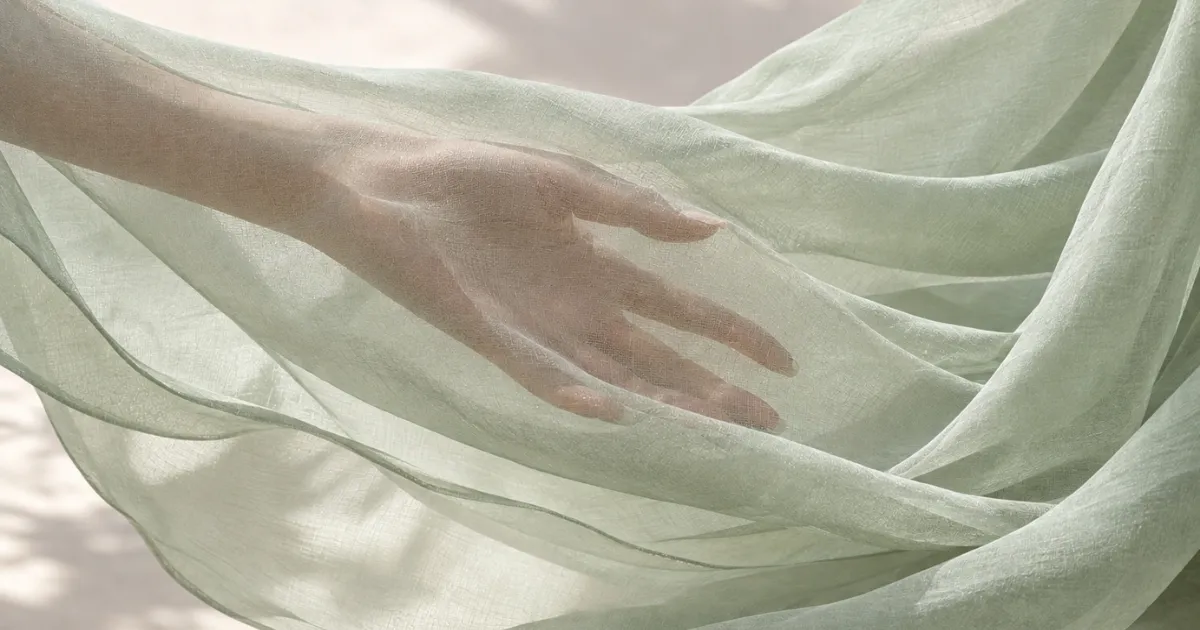
Chiffon is instantly recognisable on sight — sheer, lightweight, and softly flowing — but what is chiffon fabric actually made of, and why does it behave so differently from a heavier woven cotton or denim? This guide covers what chiffon material is, how to sew and care for it, how it compares to georgette, and where it's manufactured into finished garments today.
What Is Chiffon Fabric?
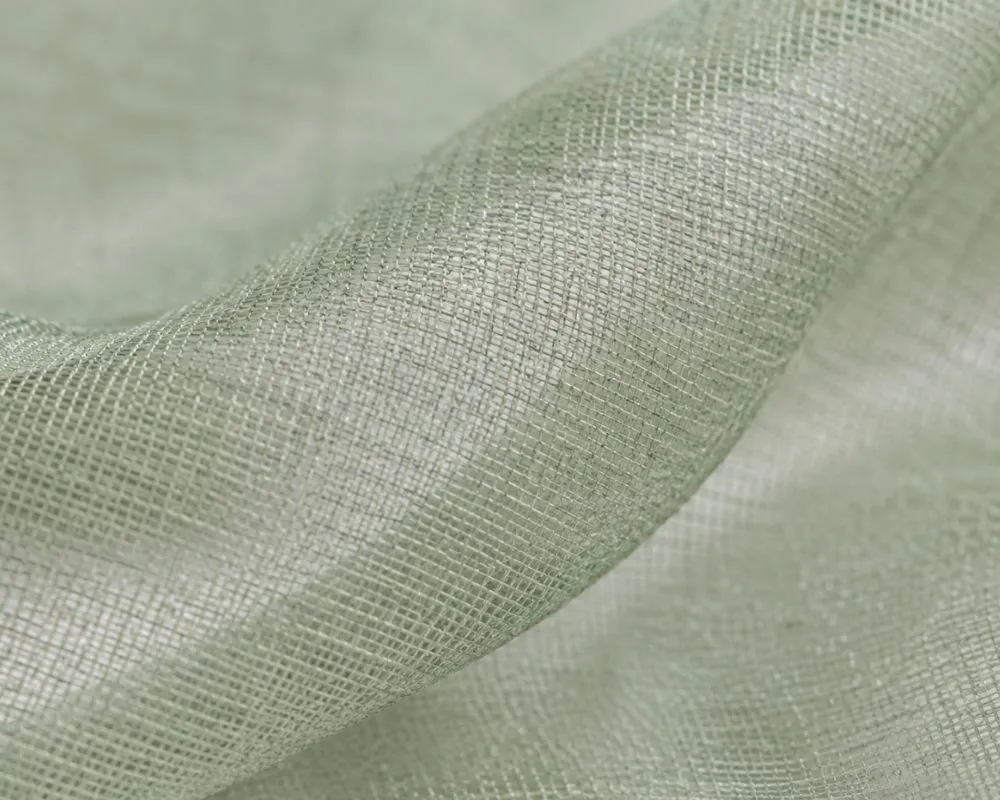
Chiffon is a lightweight, sheer, plain-woven fabric made from tightly twisted yarns, which gives it a subtle textured feel and a slight, see-through quality. The word itself comes from the French "chiffe," meaning a scrap or rag of cloth, though modern chiffon is anything but scrappy — it's prized precisely for its delicate, floaty drape.
What is chiffon material made of? Traditionally, chiffon was woven from silk, and silk chiffon remains the premium version of the fabric today. Most chiffon on the market now is polyester chiffon, valued for being more affordable, easier to care for, and more resistant to wrinkling than silk. Nylon and rayon chiffon also exist, though they're less common.
Is Chiffon Polyester or Silk?
Both — it depends entirely on the specific fabric. Is chiffon polyester by default? Not necessarily, but the majority of affordable chiffon fabric sold today is polyester chiffon rather than silk, since polyester replicates chiffon's sheer, lightweight drape at a fraction of the cost and with far easier care requirements.
Is Chiffon a Natural Fabric?
It depends on the fibre. Silk chiffon is a natural fabric, made from silk protein fibres produced by silkworms. Polyester chiffon, on the other hand, is a fully synthetic fabric derived from petroleum-based polymers. So "is chiffon a natural fabric" doesn't have one universal answer — the material chiffon is woven from determines that, not the weave itself.
Is Chiffon Breathable?
Silk chiffon is highly breathable, making it a popular choice for warm-weather clothing. Polyester chiffon is less breathable than its silk counterpart, since synthetic fibres don't wick moisture the same way natural fibres do, though its lightweight, sheer weave still allows more airflow than a denser synthetic fabric would.
Is Chiffon Stretchy? Understanding the Fabric's Behaviour
Is chiffon stretchy in the way knit fabrics are? Not really. Chiffon is a woven fabric, not a knit, so it has minimal stretch along the straight grain. Is chiffon stretchable on the bias, though — cut diagonally across the weave — chiffon does gain noticeably more give, which is why patternmakers often cut chiffon garments on the bias for a more fluid, body-skimming drape.
Does chiffon material stretch when blended with spandex? Yes — some modern stretch chiffon fabric blends in a small percentage of spandex specifically to add recovery and stretch beyond what a pure chiffon weave naturally offers, useful for fitted chiffon garments that still need to move with the body.
What Does Chiffon Look Like?
Chiffon has a distinctive sheer, slightly frosted appearance with a subtle sheen rather than a high gloss. Held up to light, chiffon fabric is translucent enough to see a shadow or silhouette through it, which is exactly why it's so often layered over an opaque lining in finished garments rather than worn as a single layer on its own.
Chiffon vs Georgette — What's the Difference?
Chiffon and georgette are closely related fabrics, both woven from tightly twisted crepe yarns, which is why they're so often confused. The georgette vs chiffon distinction comes down to weight and texture: georgette fabric is heavier and has a more pronounced crepe texture, while chiffon is lighter, smoother, and more sheer.
| Property | Chiffon | Georgette |
|---|---|---|
| Weight | Lighter | Heavier |
| Texture | Smooth, slightly grainy | Pronounced crepe texture |
| Transparency | More sheer | Less sheer |
| Drape | Fluid, floaty | Structured, fuller |
| Common Use | Dresses, scarves, overlays | Dresses, sarees, blouses |
How to Sew Chiffon Fabric
Sewing chiffon requires patience — its lightweight, slippery nature makes it prone to shifting and puckering under a regular presser foot. How to sew with chiffon fabric successfully usually comes down to a few practical steps: use a fine, sharp needle (size 60/8 or 70/10), a lightweight polyester thread, and stabilise the fabric with tissue paper underneath while stitching, tearing it away afterward.
French seams are the preferred finish for chiffon garments, since they fully enclose raw edges that would otherwise fray easily. A walking foot or a slight reduction in presser foot pressure also helps prevent the fabric from shifting and bunching as it feeds through the machine.
How to Hem Chiffon Fabric
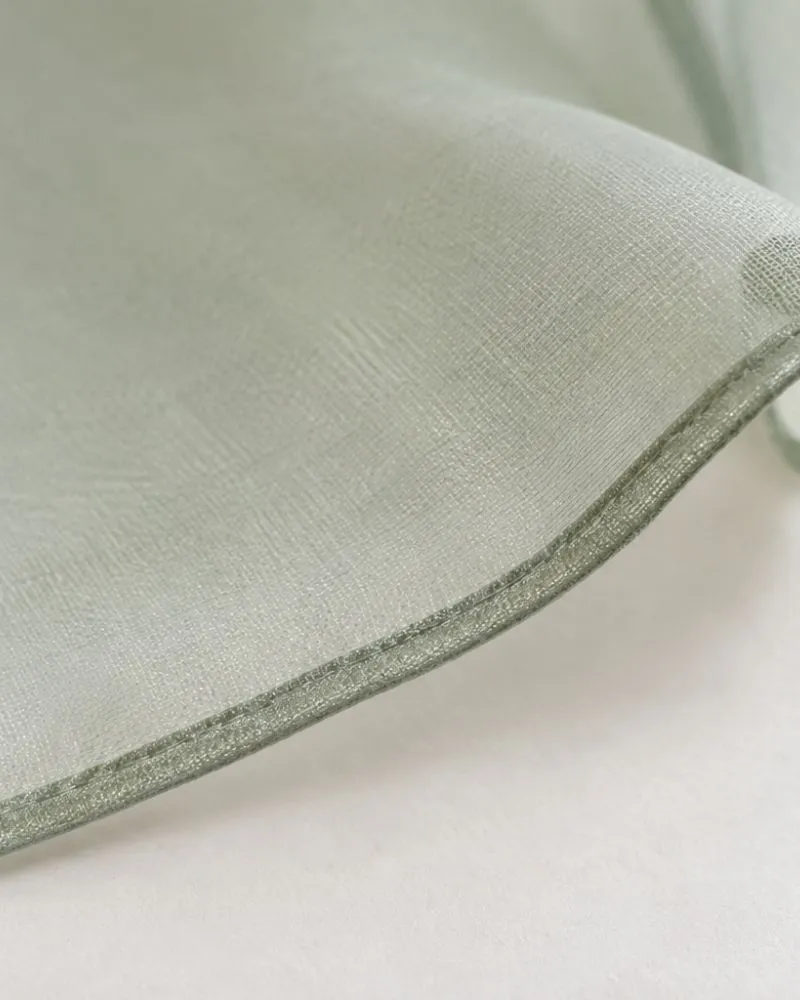
How to hem chiffon fabric cleanly usually means one of two approaches: a narrow rolled hem (either sewn with a rolled hem foot or finished by hand) or a machine-stitched double-fold hem using a very narrow seam allowance. Both minimise the visible bulk that a standard wide hem would create on such a lightweight fabric.
Chiffon Care — Ironing, Wrinkles & Dyeing
Can you iron chiffon fabric? Yes, but carefully — use the lowest heat setting your iron offers, ideally with a press cloth between the iron and the fabric, since direct high heat can scorch or melt synthetic chiffon almost instantly. How to get wrinkles out of chiffon fabric without ironing at all: hanging the garment in a steamy bathroom, or using a handheld steamer on a low setting, is often the safer choice.
Can you dye chiffon fabric? Silk chiffon takes dye well using standard fabric dyes made for natural fibres. Polyester chiffon is far more resistant to dyeing and typically requires disperse dye and heat setting to take colour successfully — a standard fibre-reactive dye made for cotton or silk generally won't work on polyester chiffon.
Chiffon Colours & Uses
Chiffon is produced in an enormous colour range, from soft pastels to saturated jewel tones, which is part of why it remains a go-to fabric for eveningwear, bridal, and occasion dressing.
What Is a Chiffon Dress?
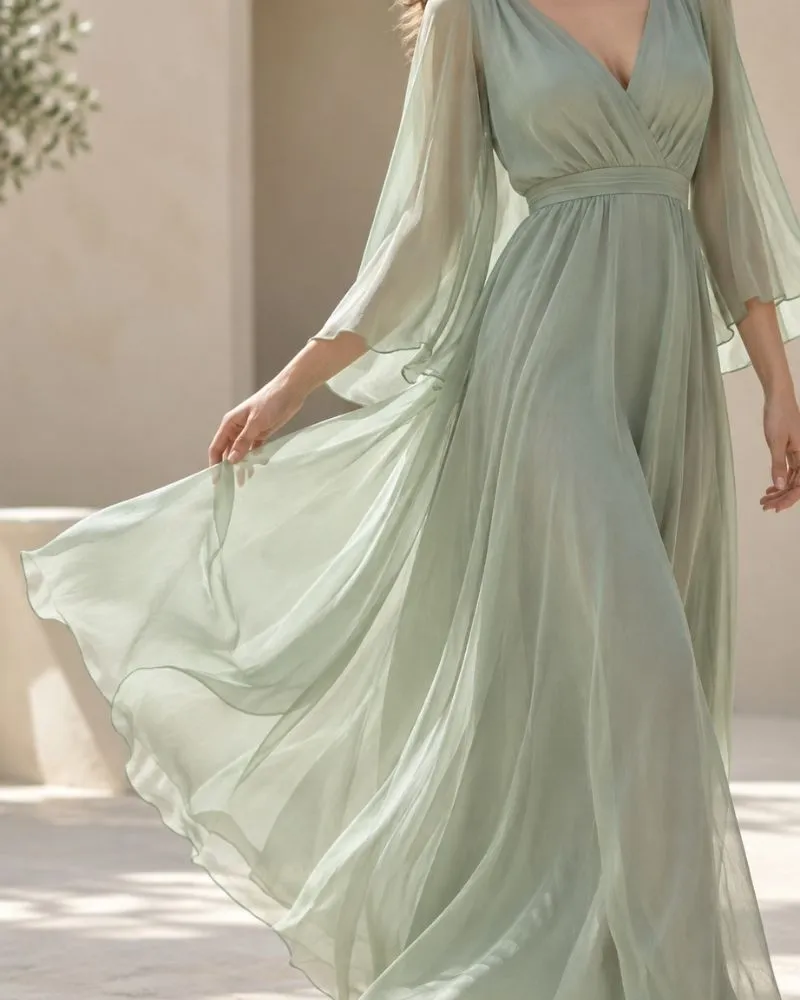
A chiffon dress is any dress constructed primarily from chiffon fabric, typically layered over an opaque lining given the fabric's sheer quality. Chiffon dresses are a staple of bridesmaid, prom, and eveningwear collections thanks to the fabric's soft, flowing movement. Chiffon fabric saree is another major application, especially across South Asian fashion, where the fabric's drape and sheen suit the garment's traditional silhouette.
Beyond garments, chiffon draping fabric is widely used for wedding decor — chiffon drapes for weddings are common for backdrops, table runners, and ceiling treatments, valued for the same soft, romantic movement that makes it popular in dresses.