

Fabric Guide — 2026 Edition15 Types of Fabric Used in
15 Types of Fabric Used in
Clothing Manufacturing
From corduroy to chiffon — what each fabric is made of, how it performs, and which garments it is actually right for, written from a manufacturer's point of view.
Types of Fabric
Types of Clothing Material
Viscose vs Polyester
Lyocell Fabric
Corduroy & Twill
Modal Fabric
Silk & Chiffon
Elastane & Spandex
Faux Leather
Linen & Flannel
Choosing the right fabric shapes everything about a garment — how it feels against skin, how long it lasts in production, and how much it costs to manufacture at scale. Yet most sourcing decisions still come down to guesswork or whatever a supplier happens to stock. This guide breaks down 15 of the most important types of cloth fabric used in apparel today — from natural fibres like silk and linen to engineered performance materials like elastane and polyamide — so you can brief your manufacturer with confidence.
Furthermore, understanding the difference between types of clothing material helps you choose the right specification from the very first sample request, saving time, money, and production errors down the line.
Natural / Woven
What Is Corduroy Fabric?
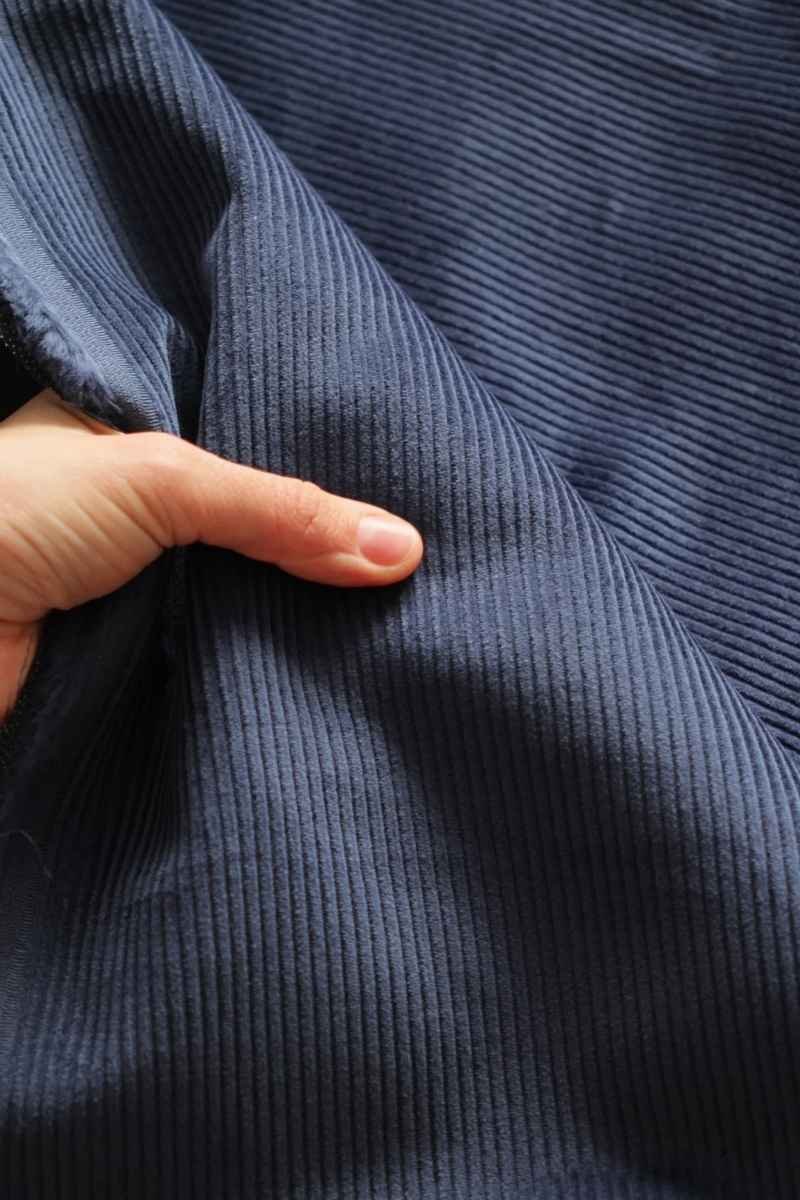
Corduroy is a durable, ridged fabric recognised by its raised parallel lines — called wales — formed by weaving extra fill yarns into a base cloth and cutting them to create a soft pile. Most corduroy is woven from cotton or cotton-poly blends, though wool and stretch cotton-elastane versions also exist. As Wikipedia's overview of corduroy explains, the wale count determines texture: wide wale reads casual and rugged, while pinwale looks more refined.
Properties & Care
Corduroy is warm, breathable, and highly durable — a natural fit for cooler-season apparel. It softens with wash and wear but can shed lint early on, and its ridges trap dust, so a gentle cold wash and low-heat drying help preserve the pile. Furthermore, corduroy hides creasing well, though it should be ironed on the reverse to protect the texture.
Best Garment Uses
Brands use corduroy for jackets, trousers, shirts, and children's wear. Additionally, it remains a staple for heritage-inspired streetwear. Our Varsity Jacket Manufacturing team sources and constructs corduroy trims and panels for outerwear collections.
Quick Fact: Corduroy is technically a types of cloth fabric with a pile weave construction — making it warmer than plain-woven cottons of equivalent weight.
Semi-Synthetic / Cellulosic
What Is Modal Fabric?
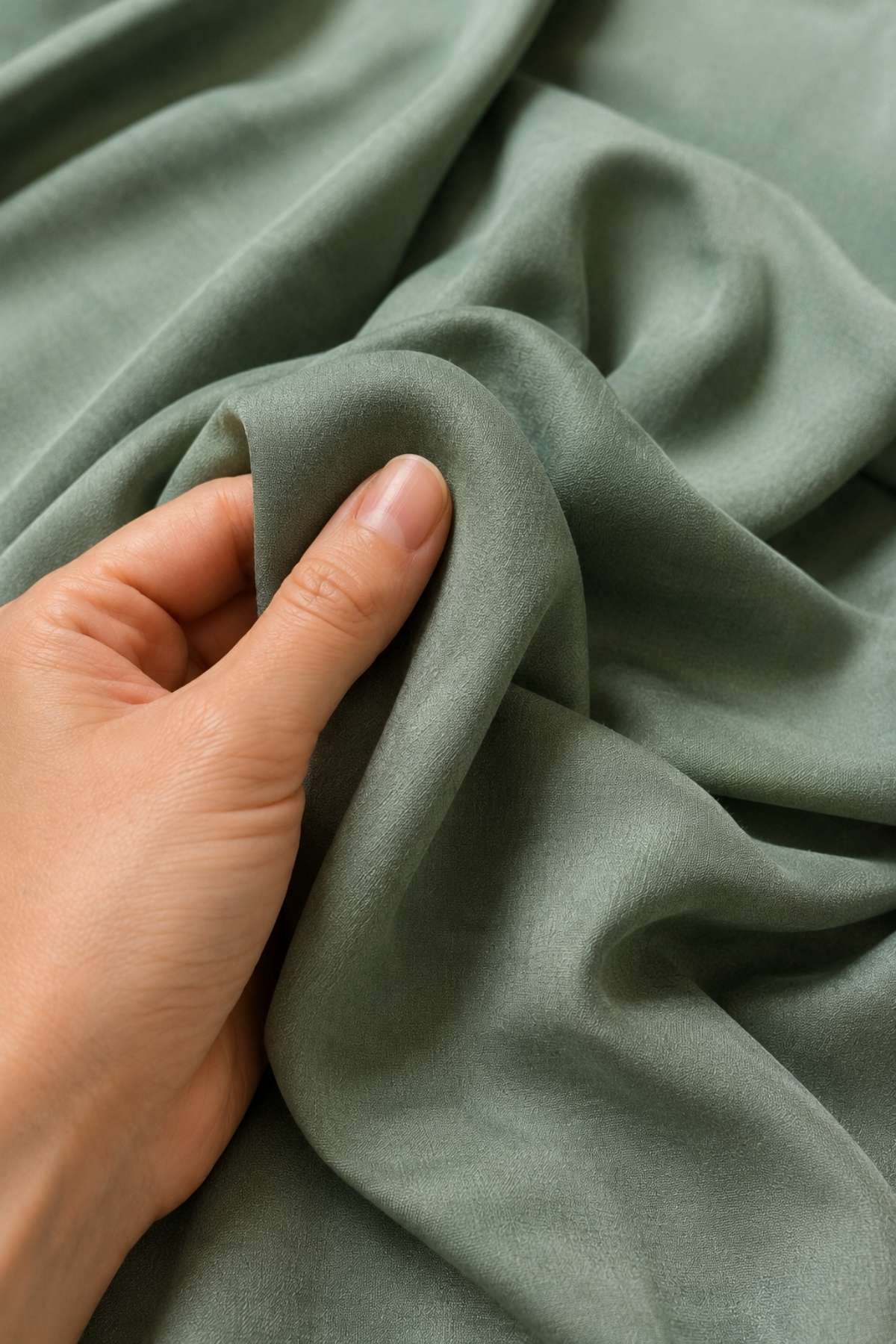
Modal fabric is a semi-synthetic fibre made from beechwood pulp, sitting precisely between natural cotton and fully synthetic polyester. Classified as a high-wet-modulus rayon, it is produced by dissolving wood cellulose and re-spinning it into fine, silky filaments — a refinement of the standard viscose process explained on Wikipedia's modal textile page.
Properties & Care
Modal is prized for its silky handle, strong breathability, and roughly 50% greater moisture absorption than cotton — which is why it is a favourite for underwear, loungewear, and bedding. It resists pilling and holds colour well. However, a gentle wash cycle is recommended since repeated high heat can weaken the fibre over time.
Modal vs Standard Viscose
Many brands ask what is modal and how it differs from viscose. The key distinction is strength: modal holds up significantly better when wet, making it more durable through repeated washing. Our Custom Sweatshirt Manufacturing and T-Shirt Manufacturing services both offer modal-blend options for premium soft basics.
Alt: "What is modal fabric — beechwood-derived fibre with silky texture"
Note: Lenzing Modal (branded Modal from Austria's Lenzing Group) is widely considered the gold standard and is used by premium underwear and activewear brands globally.
Semi-Synthetic / Regenerated Cellulose
What Is Viscose Fabric?
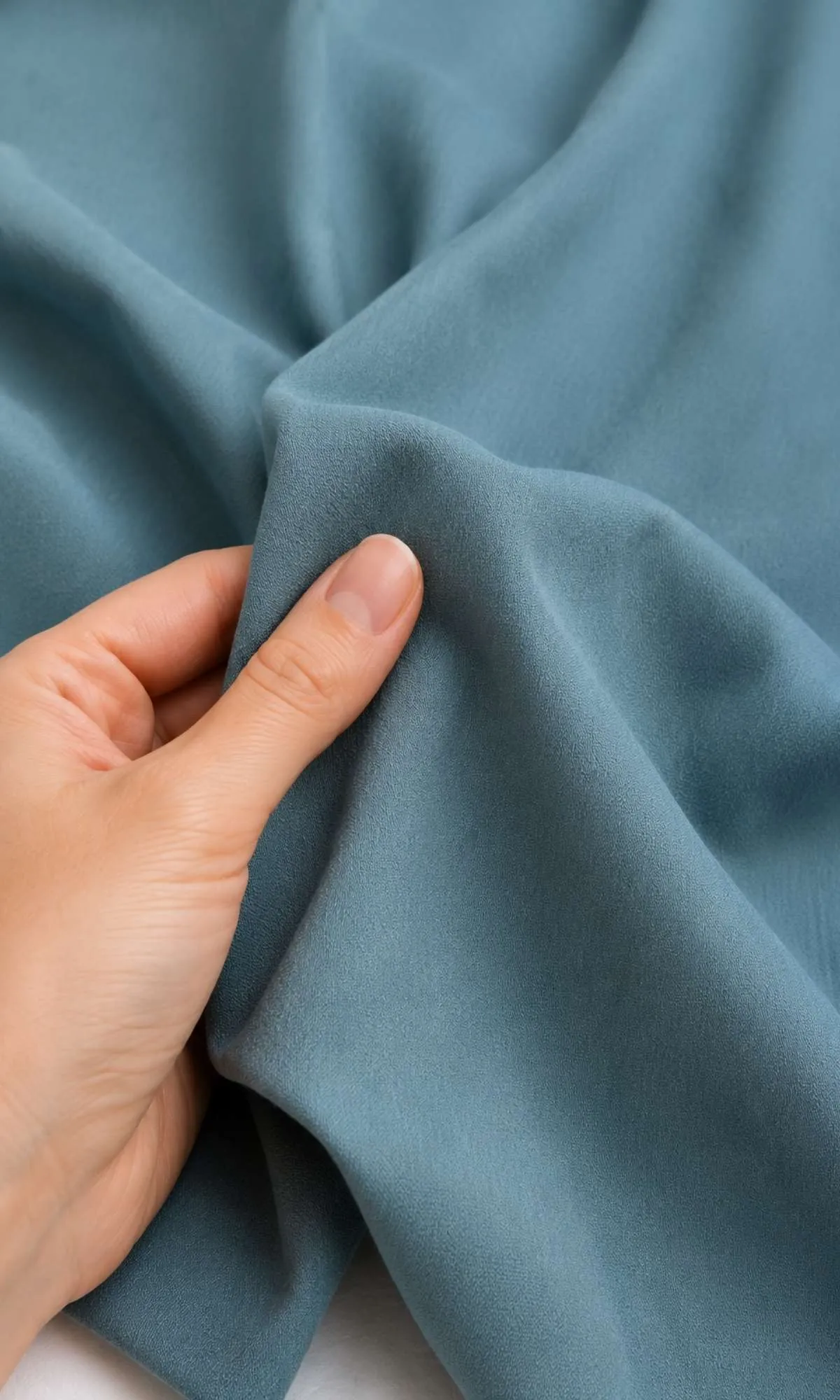
Viscose fabric — also known as rayon — is a semi-synthetic fibre made by chemically dissolving wood-pulp cellulose and reforming it into fibre. The result is a drape much closer to silk than cotton, per Wikipedia's rayon entry. Furthermore, textile viscose is one of the most widely produced fibres in fashion today — valued for its affordability and luxurious feel.
Rayon Viscose Fabric — What's the Difference?
Rayon and viscose fabric are the same thing — "rayon" is the standard term in North America, while "viscose" is used in the UK and Europe. Both describe the same regenerated cellulose fibre. Additionally, viscose vs polyester is a common comparison: viscose is softer and more breathable, while polyester offers greater durability and shape retention.
Care & Best Uses
Viscose drapes beautifully and breathes well, but is weaker when wet and prone to shrinking if machine-washed carelessly. Most viscose garments perform best with a cool hand wash or dry clean. Our post What Material Is Viscose? covers this fibre in full detail, and our Custom Polo Shirt Manufacturing line offers viscose-blend options.
Viscose definition: A regenerated cellulose fibre produced by dissolving plant-based cellulose in a viscous chemical solution, then extruding through spinnerets to form fibre — hence the name "viscose."
Semi-Synthetic / Eco Cellulosic
What Is Lyocell (Tencel) Fabric?
Lyocell fabric is a next-generation cellulosic fibre made using a closed-loop solvent process that recovers more than 99% of its chemical inputs — making it one of the most environmentally responsible fabrics in the rayon family, per Wikipedia's lyocell entry. Originally trademarked as Tencel, "lyocell" is now the generic industry name for both the fibre and the process.
Properties & Care
Lyocell combines the softness of viscose with better strength and shape retention, along with natural moisture-wicking and antibacterial qualities — popular in activewear and bedding. Additionally, it can be machine-washed on a gentle cycle, though line-drying helps it hold its smooth finish longer.
What Is Lyocell Fabric Best For?
Lyocell suits brands positioning around sustainability — from soft tees to lightweight outerwear linings. Our team sources certified lyocell blends for Private Label Apparel clients who need documented eco-friendly supply chains.
Sustainability note: Lyocell's solvent process produces significantly less water and chemical waste than conventional viscose production — a key selling point for eco-conscious apparel brands.
Synthetic / Petroleum-Based
What Is Polyester Fabric?
Polyester fabric is a fully synthetic fibre made from petroleum-based polymers — and it is the most widely produced fabric on earth for good reason. It is strong, quick-drying, and holds its shape through hundreds of wash cycles, as covered on Wikipedia's polyester page. Furthermore, recycled polyester, made from post-consumer plastic bottles, has become a mainstream option for brands prioritising lower-impact materials.
Polyester and Elastane Material
Fabric material polyester is rarely used alone in apparel — most garments use polyester-elastane or polyester-cotton blends. Polyester elastane fabric is particularly popular for fitted clothing, as the elastane adds stretch and recovery. Additionally, polyester mesh fabric is widely used in jerseys and performance wear for its exceptional breathability.
Polyester vs Other Fabrics
What is polyester compared to natural fibres? It resists wrinkles, shrinking, and stretching, but can trap heat and odour without treatment or blending. Our Custom Tracksuit Manufacturing service is built primarily on polyester and polyester-elastane blends for durability and stretch recovery.
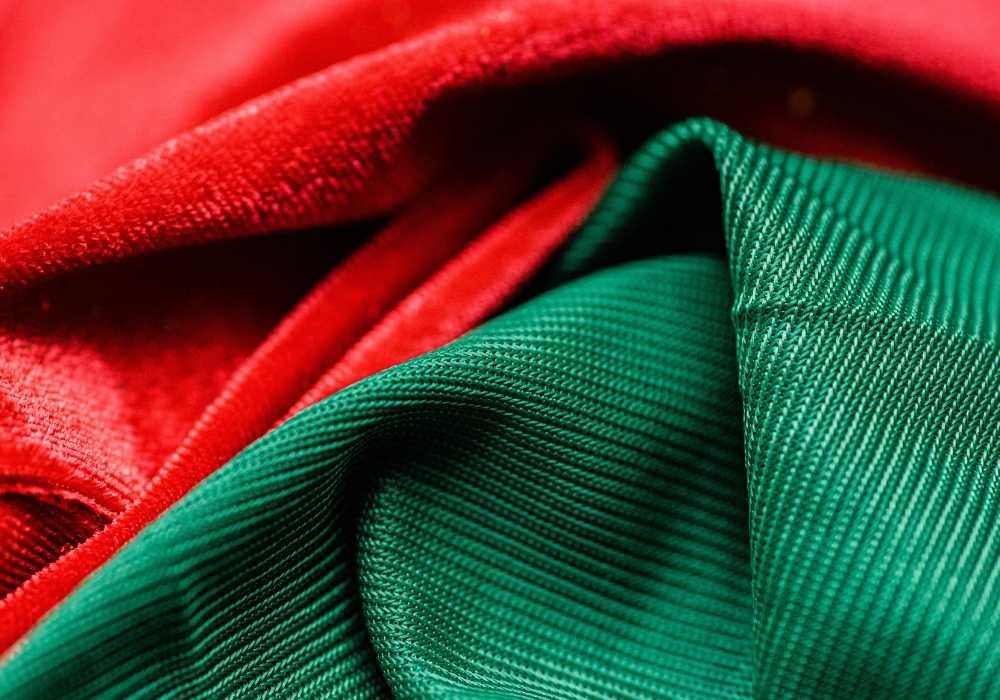
Alt: "Polyester fabric — smooth synthetic textile used in tracksuits and performance wear"
Polyester definition: A synthetic polymer fibre derived from ethylene glycol and terephthalic acid — polymerised to produce strong, wash-and-wear textile fibres used across sportswear, workwear, and fast fashion.
Natural / Plant Fibre
What Is Linen Fabric?
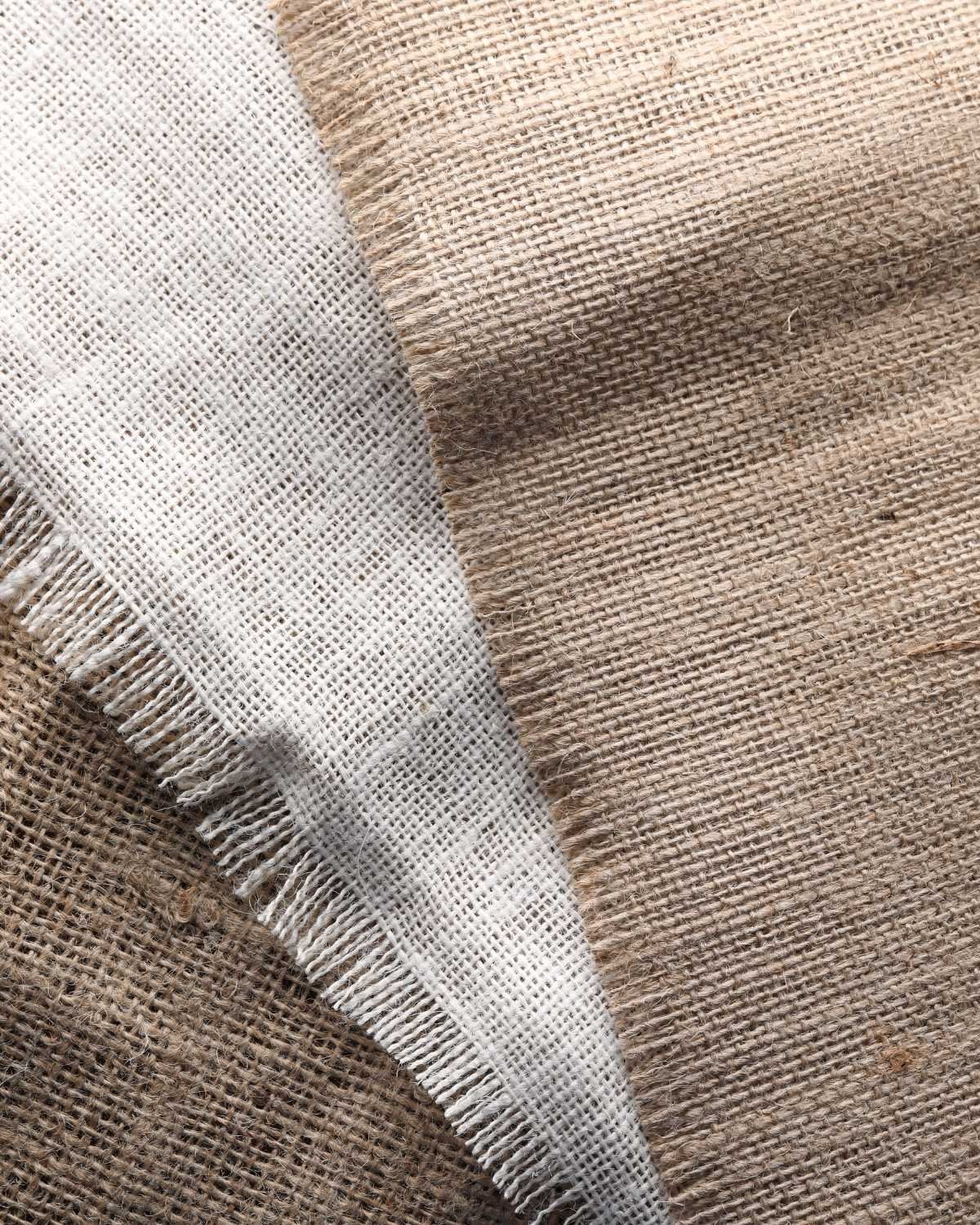
Linen fabric is spun from the stalks of the flax plant, making it one of the oldest textiles in continuous use. Fiber linen — also written as linen fibre — is naturally strong and grows softer with every wash, which is a large part of linen's lasting appeal across warm-weather fashion. Additionally, what is linen made of is a straightforward answer: pure plant-origin cellulose from flax stalks, with no chemical processing.
Properties & Care
Linen is highly breathable and moisture-wicking — ideal for summer clothing. However, it wrinkles easily and offers less elasticity than cotton, so it is often blended with cotton or viscose for structure. A cool, gentle machine wash is generally safe; moreover, linen presses best while still slightly damp.
Best Garment Uses
Linen works well for warm-weather shirts, relaxed trousers, and summer collections targeting sustainable or natural-fabric positioning. Furthermore, cloth material linen blends with cotton produce a durable, slightly softer alternative to 100% linen for everyday wear. Contact our team through our quote request page to discuss linen-blend options.
Natural / Protein Fibre
What Is Silk Fabric?
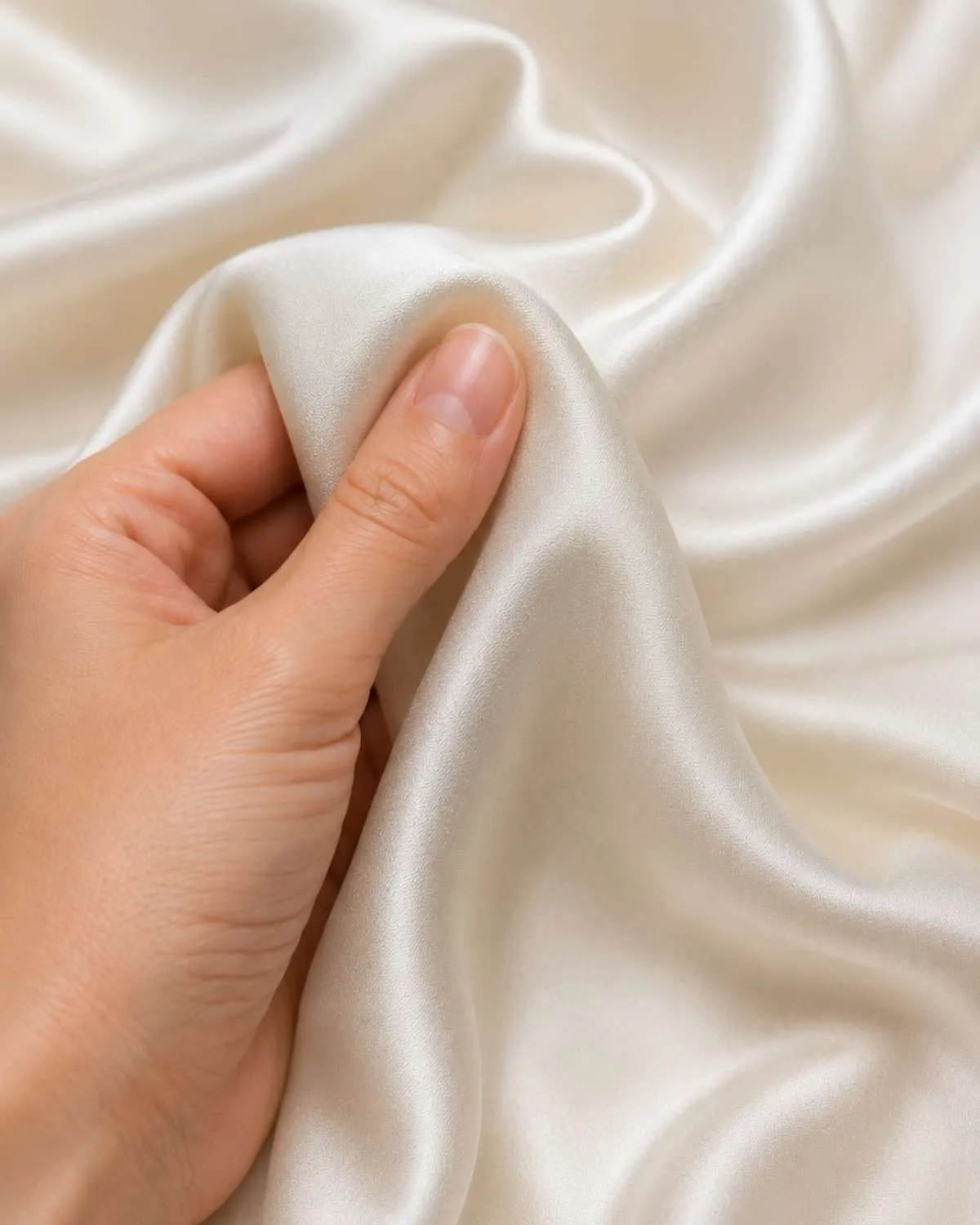
Silk fabric is a natural protein fibre produced by silkworms. It is one of the oldest and most prized textile materials — known for its extraordinary lustre, smooth handle, and temperature-regulating properties. Furthermore, silk material naturally wicks moisture and is hypoallergenic, making it comfortable against even sensitive skin. As Wikipedia's silk entry notes, it remains the benchmark against which all smooth, fluid fabrics are compared.
Silk Varieties
Common silk fabrics include plain woven silk (the most common), silk jacquard fabric (with woven patterns), silk taffeta fabric (crisp and structured), silk damask fabric (reversible patterned weave), and organza (sheer). Additionally, organza silk material is used in bridal and formal wear for its stiff, lightweight sheer quality.
Care & Manufacturing Considerations
Silk requires careful handling — typically dry clean or cold hand wash only, and no tumble drying. Consequently, as a soft Chinese fabric woven from raw silk, it commands a premium price point. Our sourcing team can discuss silk and silk-blend options for Private Label Apparel clients moving into occasion or luxury categories.
Synthetic / Polyurethane
What Is Elastane (Spandex / Lycra)?
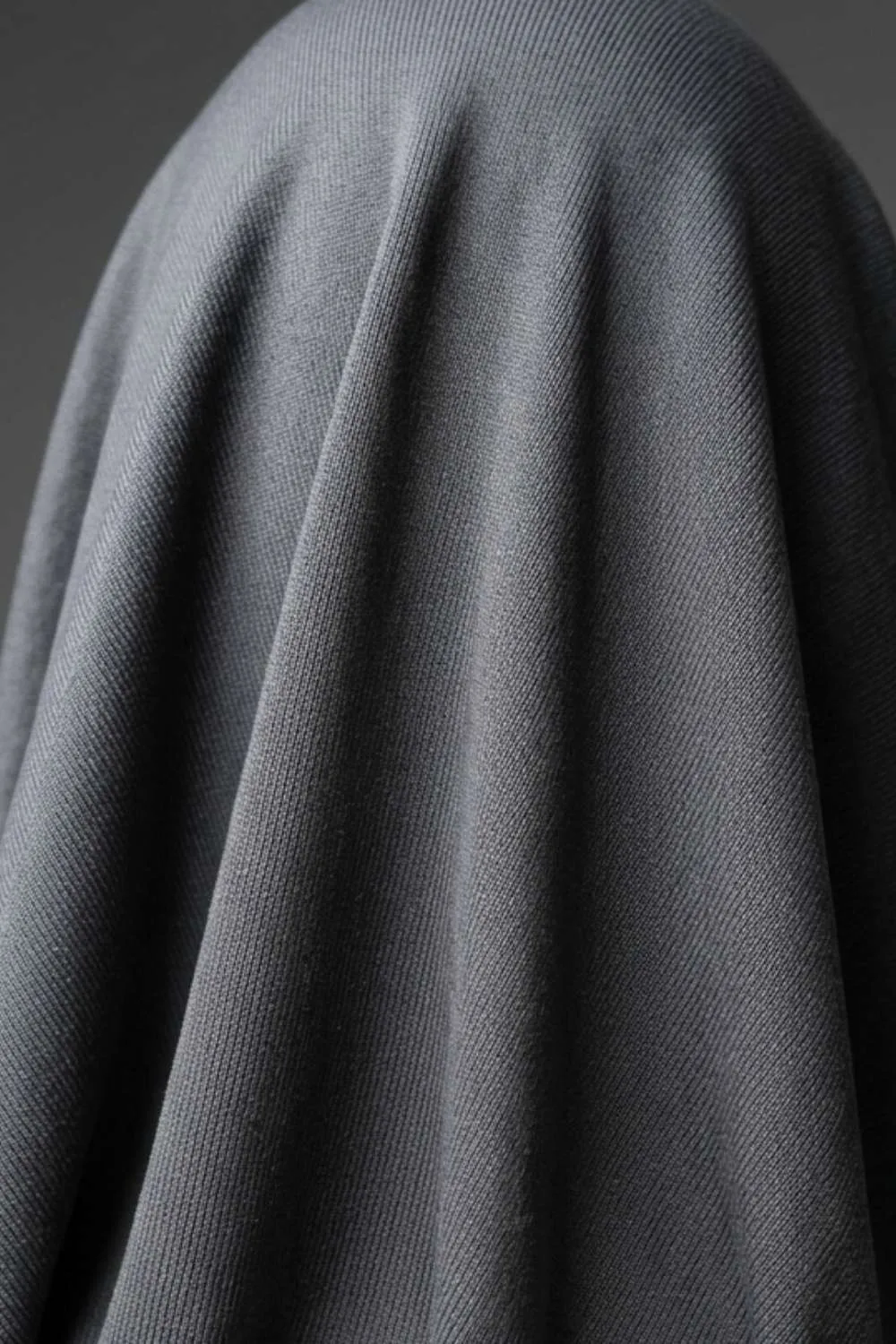
Lycra, elastane, and spandex are three names for the same synthetic fibre — a polyurethane-based material capable of stretching several times its original length and snapping back into shape, per Wikipedia's spandex overview. "Spandex" is common in the US; "elastane" in Europe and Asia; "Lycra" is a well-known brand trademark for the fibre.
Spandex Fibres — How They Work
Spandex fibres and elastane are rarely used in finished garments alone — instead, small percentages are blended into cotton, polyester, or nylon to add stretch and recovery. Furthermore, polyester and elastane material together create the ideal four-way-stretch fabric for leggings, compression wear, and body-con dresses.
Best Uses
Elastane blends are essential for leggings, compression pieces, fitted athletic wear, and any garment where stretch and shape recovery matter. Our hoodies, tracksuits, and custom garments are available in polyester-elastane blends — contact us through our quote page for specifications.
Care tip: Elastane degrades with high heat — avoid warm washing and tumble drying for elastane-blend garments to preserve their stretch recovery.
Synthetic / Coated Fabric
What Is Faux Leather (PU / Pleather)?
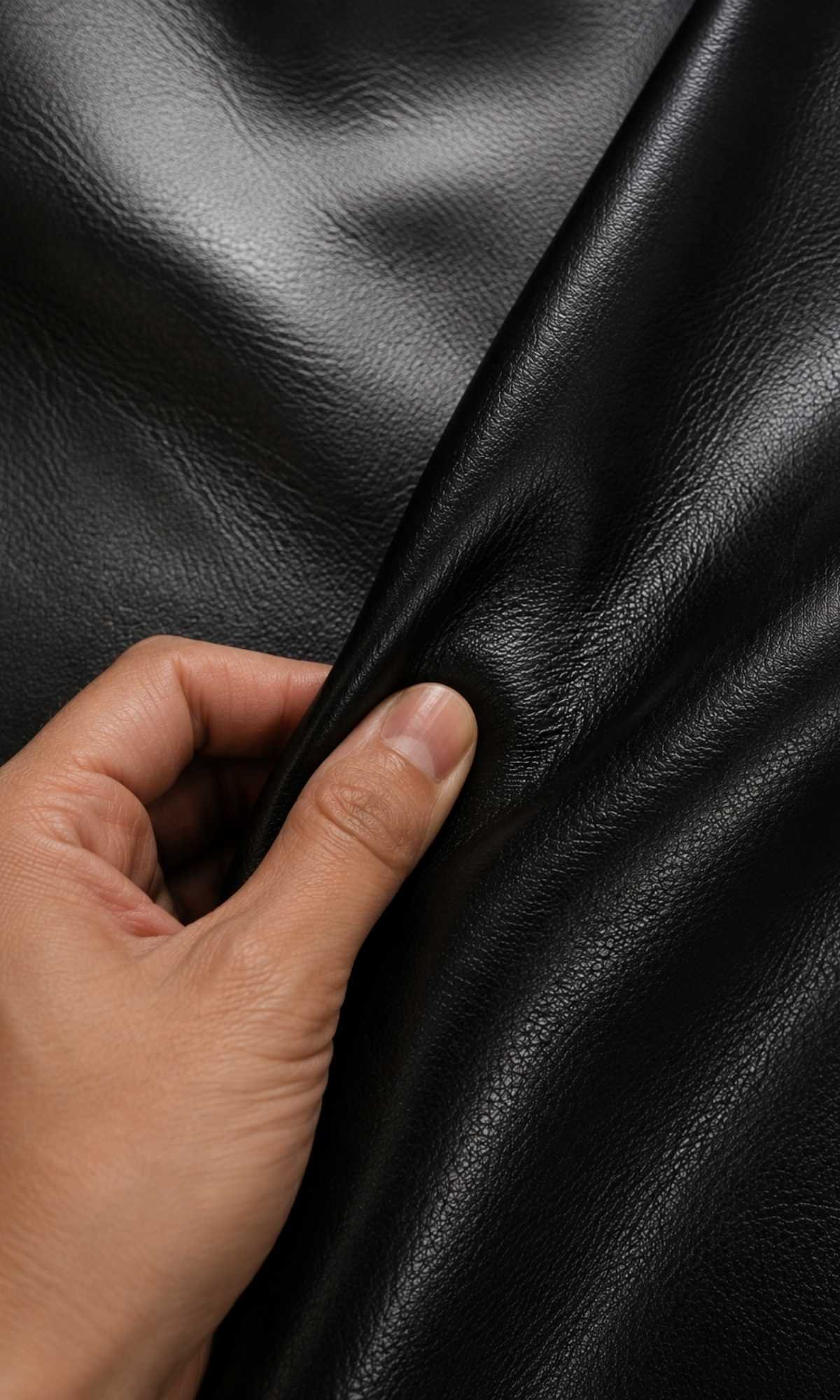
Faux leather — also called synthetic leather, vegan leather, PU leather, or pleather — is a man-made material designed to replicate animal hide, typically built from a fabric backing coated in polyurethane or PVC, as described in Wikipedia's artificial leather entry. It has become a mainstream leather alternative in fashion for its lower cost, consistency, and animal-free production.
PU Leather vs PVC — Key Differences
PU-based faux leather is soft, breathable, and easier to sew than genuine hide, while PVC versions are stiffer and more water-resistant but less breathable. Additionally, pleather vest meaning and "pleather" in general simply refer to plastic-coated leather alternative fabrics — the terms are interchangeable in most fashion contexts.
Best Uses in Clothing
Faux leather is a staple for jacket sleeves, trims, bag panels, and accessories. Our Custom Varsity Jacket Manufacturing service regularly pairs PU leather sleeves with wool bodies for a classic letterman look — moreover, it is faster to produce and more consistent than genuine hide at scale.
Sheer / Woven
What Is Chiffon Fabric?
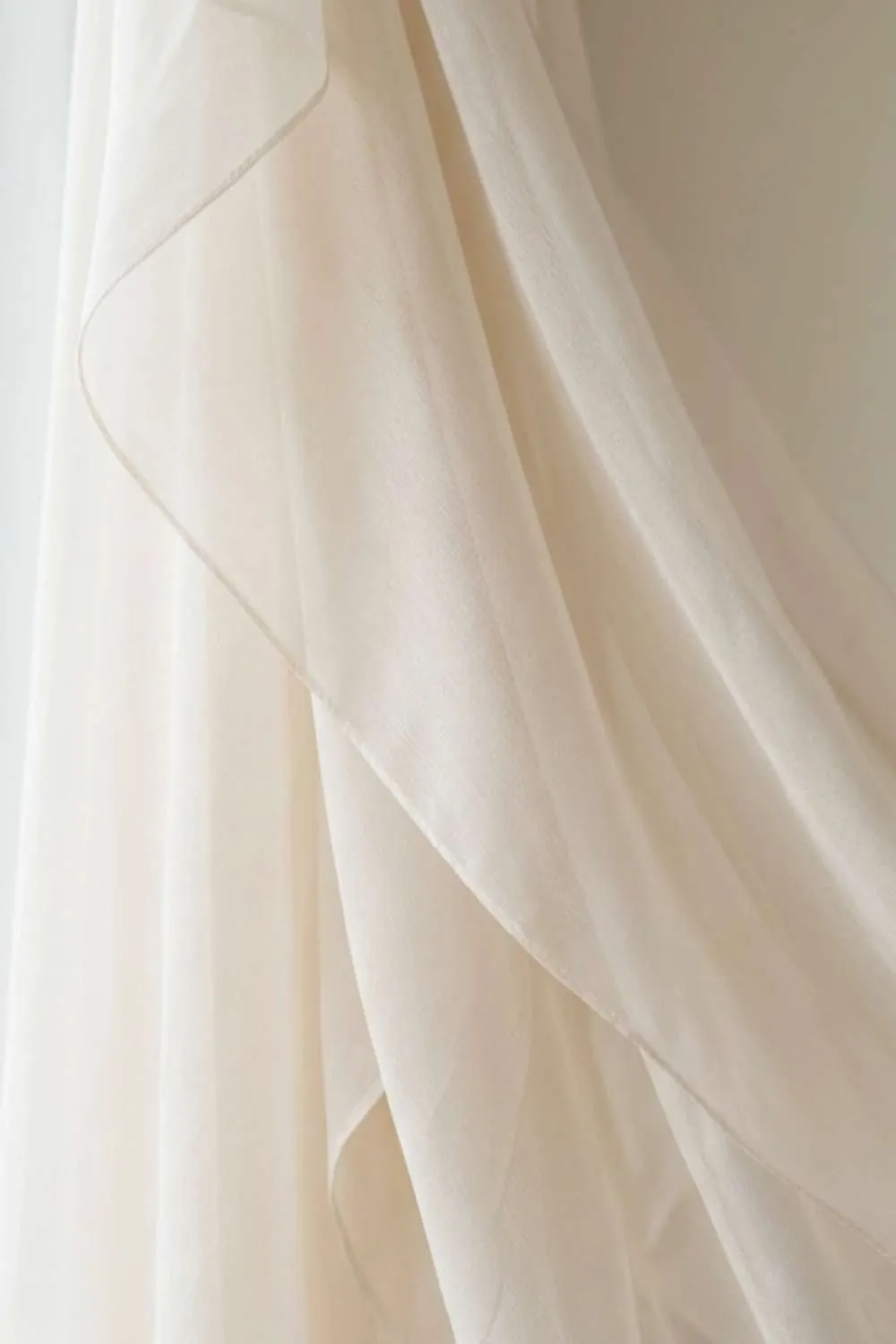
Chiffon fabric is a lightweight, sheer, plain-woven textile traditionally made from silk — though most cloth chiffon produced today uses polyester or nylon for an affordable, easy-care alternative, according to Wikipedia's chiffon entry. Its texture comes from tightly twisted crepe yarns that pucker slightly during weaving, giving chiffon a soft, grainy hand despite being a woven rather than knit construction.
Properties & Care
Chiffon drapes fluidly with a delicate, floating quality. However, it frays easily and calls for French or bound seams during construction — a key manufacturing consideration. Additionally, silk chiffon typically needs dry cleaning, while polyester chiffon can usually be hand-washed and air-dried flat.
Best Uses
Chiffon is best known for eveningwear, blouses, scarves, and flowing overlays. If your brand is expanding into occasionwear or delicate layering pieces, our sourcing team can help identify the right chiffon weight and fibre blend for your manufacturing specification.
Structured / Woven
What Is Taffeta Fabric?
Taffeta is a crisp, smooth, plain-woven fabric traditionally made from silk — now more commonly produced in polyester, nylon, or acetate for a similar structured finish at lower cost, as Wikipedia's taffeta page explains. Unlike chiffon's soft drape, taffeta holds its shape and produces a distinctive rustle as it moves — a quality prized in formal applications.
Properties & Care
Taffeta's tight weave gives it a smooth, almost paper-like structure that resists creasing and holds voluminous shapes well — making it a formalwear favourite. Moreover, it is sensitive to friction and can develop shine or snags with heavy wear. Consequently, most taffeta garments call for dry cleaning rather than home washing.
Best Uses in Clothing
Taffeta appears most often in formal dresses, structured linings, and statement outerwear. Brands developing occasionwear or bridal lines can contact our team to discuss taffeta sourcing for upcoming collections.
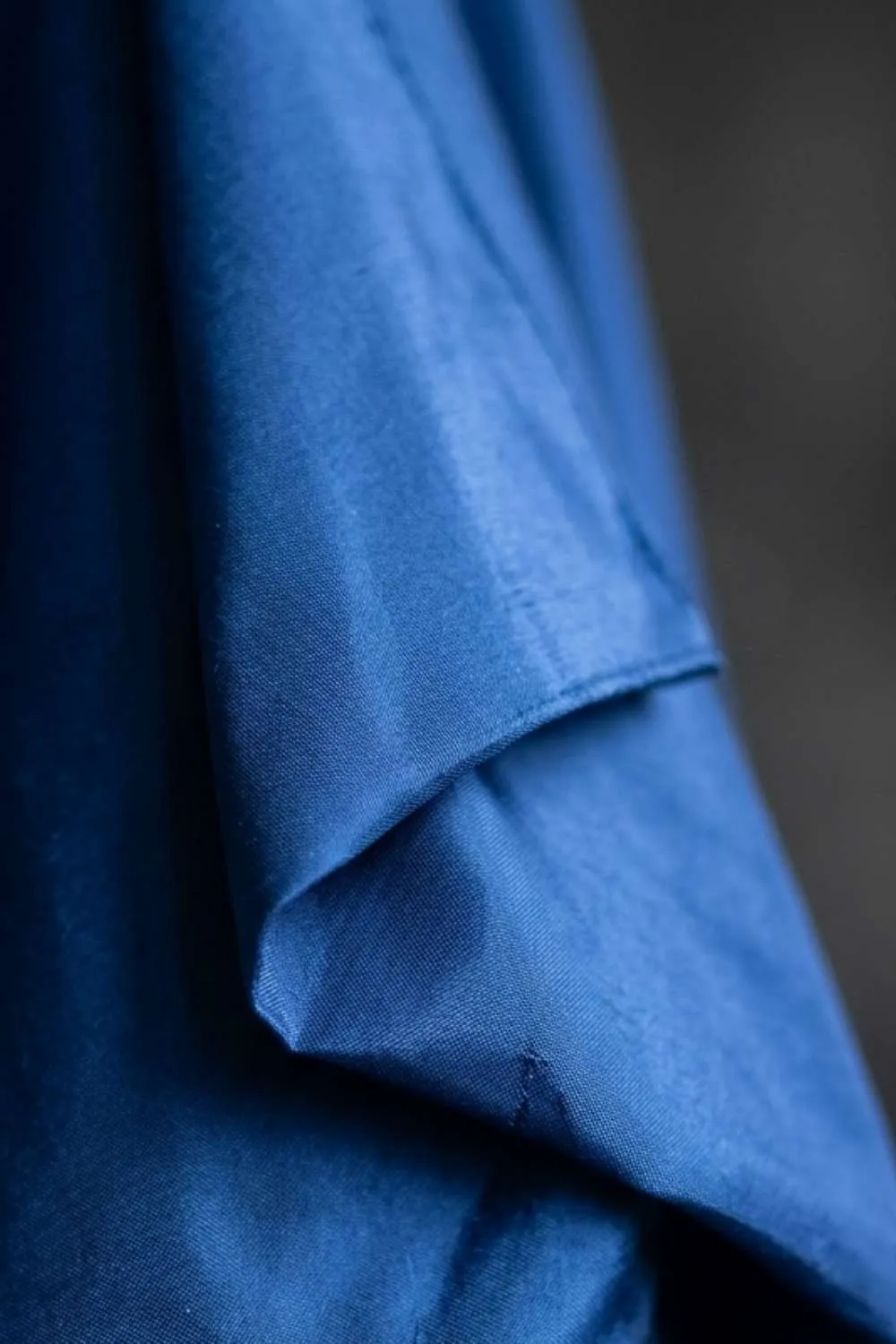
Alt: "Taffeta fabric — crisp structured woven textile for formal dresses and linings"
Weave Structure (Not a Fibre)
What Is Twill Fabric?
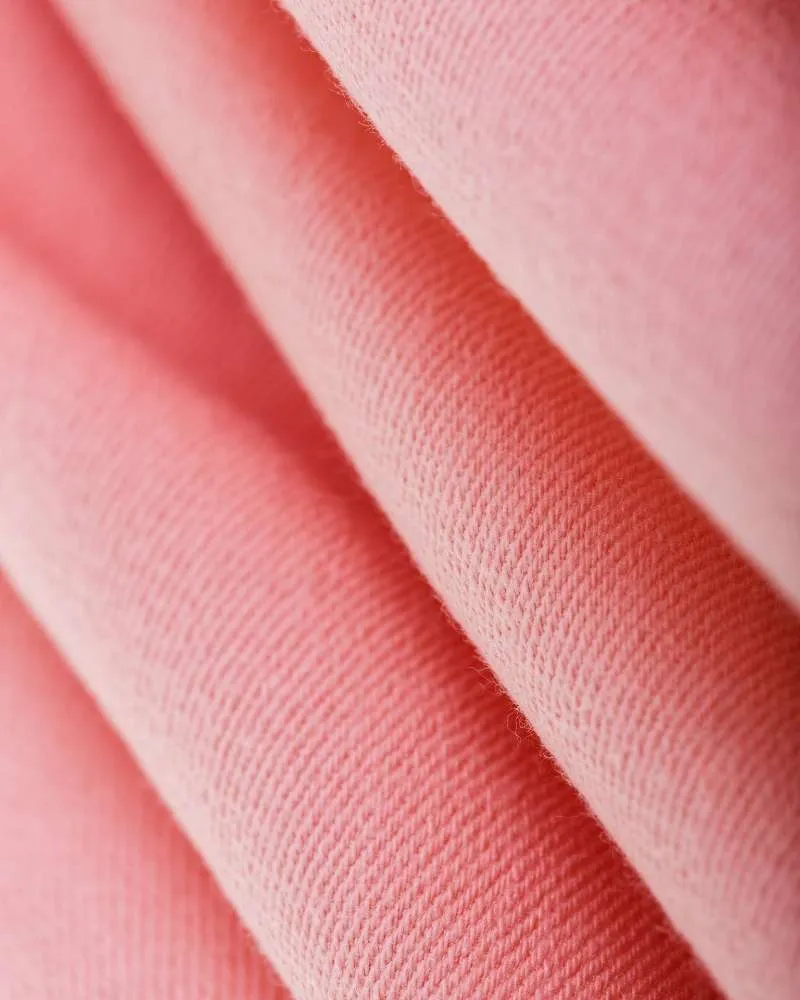
Twill is not a fibre but a weaving method, identifiable by the diagonal ribbing it creates on the fabric's surface. As Wikipedia's entry on twill explains, weft threads pass over one set of warp threads and under another in a stepped pattern — which is why denim, chino, gabardine, and drill are all technically twill fabric types, regardless of their fibre content. Furthermore, twill meaning simply refers to this diagonal weave construction itself, not to a specific material.
Properties & Care
Twill's diagonal structure makes it more durable and wrinkle-resistant than plain-woven fabrics, and it hides soiling better — which is why it is a long-standing choice for workwear and uniforms. Additionally, twill garments generally hold up well to regular machine washing, though heavier weights benefit from lower-heat drying.
Best Uses
Twill shows up in chinos, jackets, and uniforms. Specifically, what fabric is denim made of? Denim is cotton twill — the diagonal weave gives it its characteristic surface and durability. Our team draws on twill and twill-blend fabrics for Custom Varsity Jackets and structured outerwear.
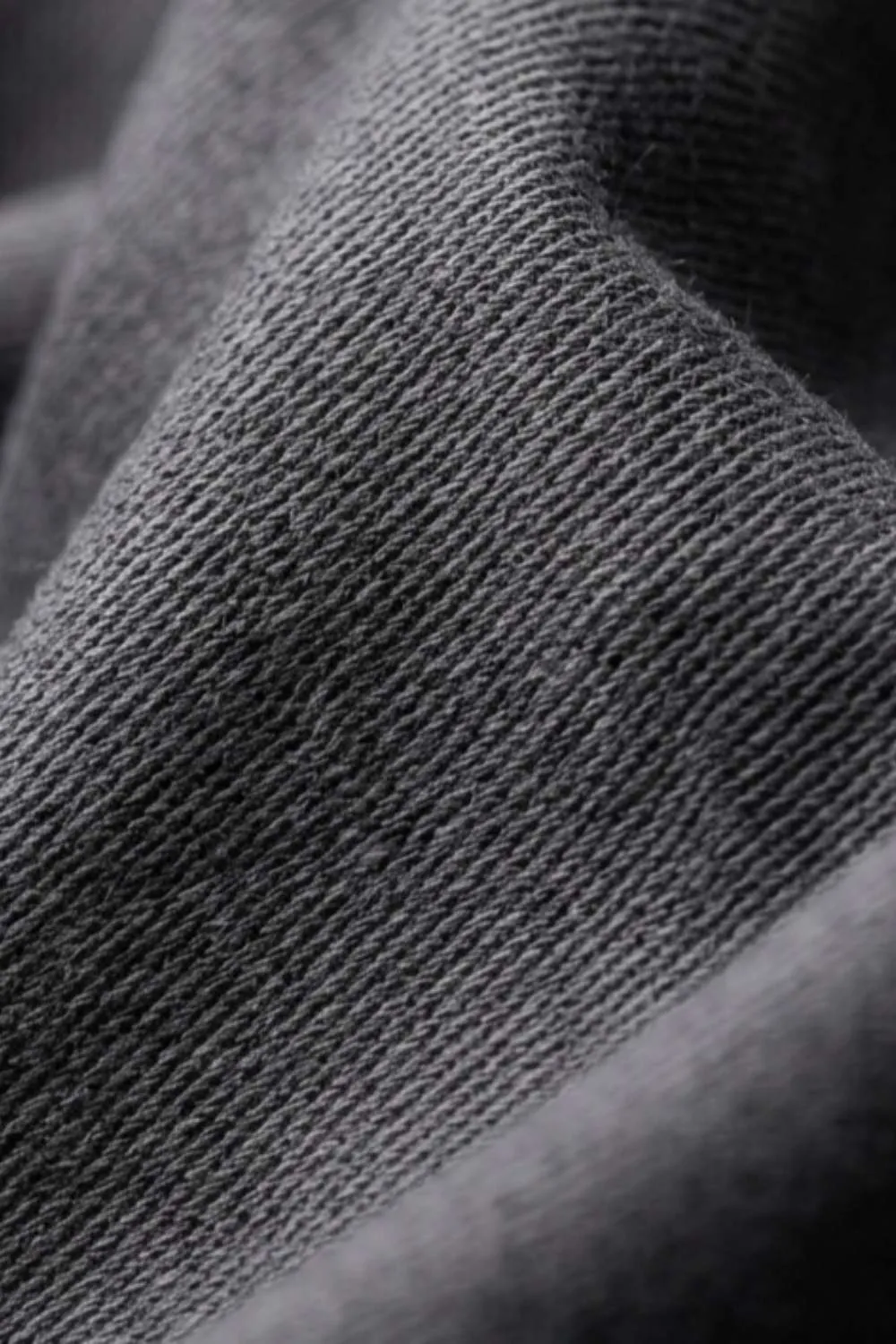
Alt: "Twill fabric weave structure — showing diagonal rib pattern used in denim, chino and gabardine"
Twill meaning: A weave construction, not a fibre. Denim is cotton twill; gabardine is typically wool or polyester twill; chino is cotton twill — the weave pattern is common to all.
Natural / Brushed Woven
What Is Flannel Fabric?
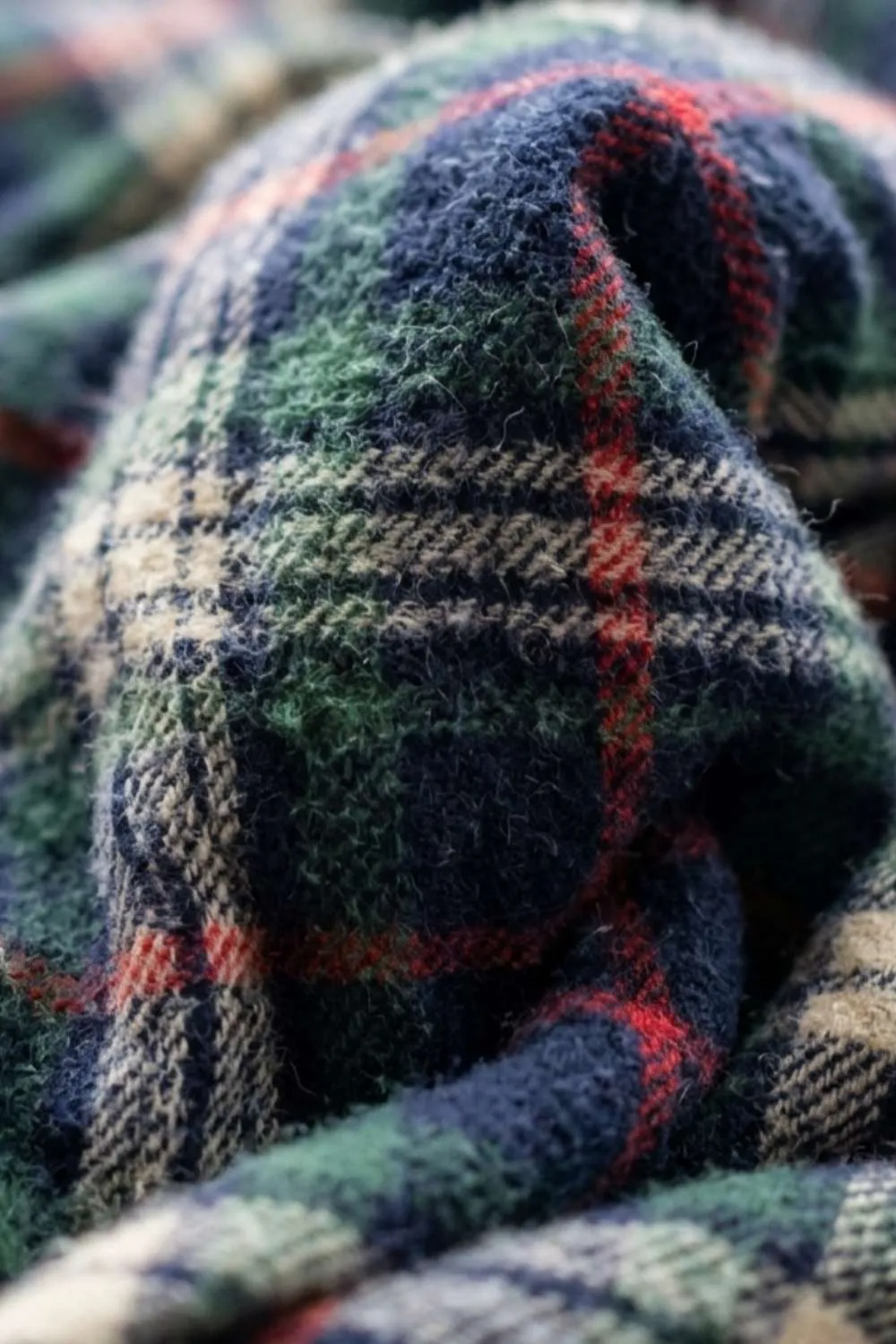
Flannel fabric is a soft, woven textile distinguished by its napped (slightly fuzzy) surface, created by brushing the fabric after weaving to raise the fibres. It is most commonly made from cotton, though wool flannel is also widely used. Furthermore, flannel's raised surface traps air, giving it exceptional warmth relative to its weight — which is why it is a go-to for colder-season garments.
Properties & Care
Cotton flannel is machine washable and relatively easy to care for, softening further with repeated washes. Wool flannel, on the other hand, requires more careful handling — dry clean or cold hand wash to prevent shrinking and pilling. Additionally, flannel can be woven in twill or plain weave structures, with twill constructions being more durable.
Best Uses in Clothing
Flannel is a natural choice for shirts, pyjamas, casual trousers, and heavyweight hoodie linings. Moreover, types of hoodies with a brushed flannel inner are increasingly popular for premium cold-weather collections. Our Custom Hoodie Manufacturing team can specify brushed fleece or flannel lining options.
Synthetic / Polymer
What Is Nylon / Polyamide Fabric?
Nylon — also known as polyamide — is a fully synthetic polymer fibre and one of the strongest fabrics used in clothing. What is nylon? It is made from a condensation polymer (PA6 or PA6.6 being the most common), which is melted and extruded into very fine filaments. Furthermore, nylon fabric has exceptional abrasion resistance, which makes it ideal for outerwear, activewear, and bags.
Polyamide vs Nylon — Is There a Difference?
What is polyamide? It is simply the European and technical term for nylon. Polyamide fabric and nylon fabric are therefore the same material — polyamide is the chemical name, nylon is the commercial name. Both are often confused with polyester, but polyamides are stronger, more elastic, and more moisture-absorbent than polyester.
Is Nylon Plastic?
Technically yes — nylon is derived from petrochemicals and is a form of plastic polymer. However, in its fibre form it behaves nothing like rigid plastic. Our Custom Tracksuit Manufacturing and outerwear lines use nylon-spandex and polyamide-elastane blends for premium stretch and durability.
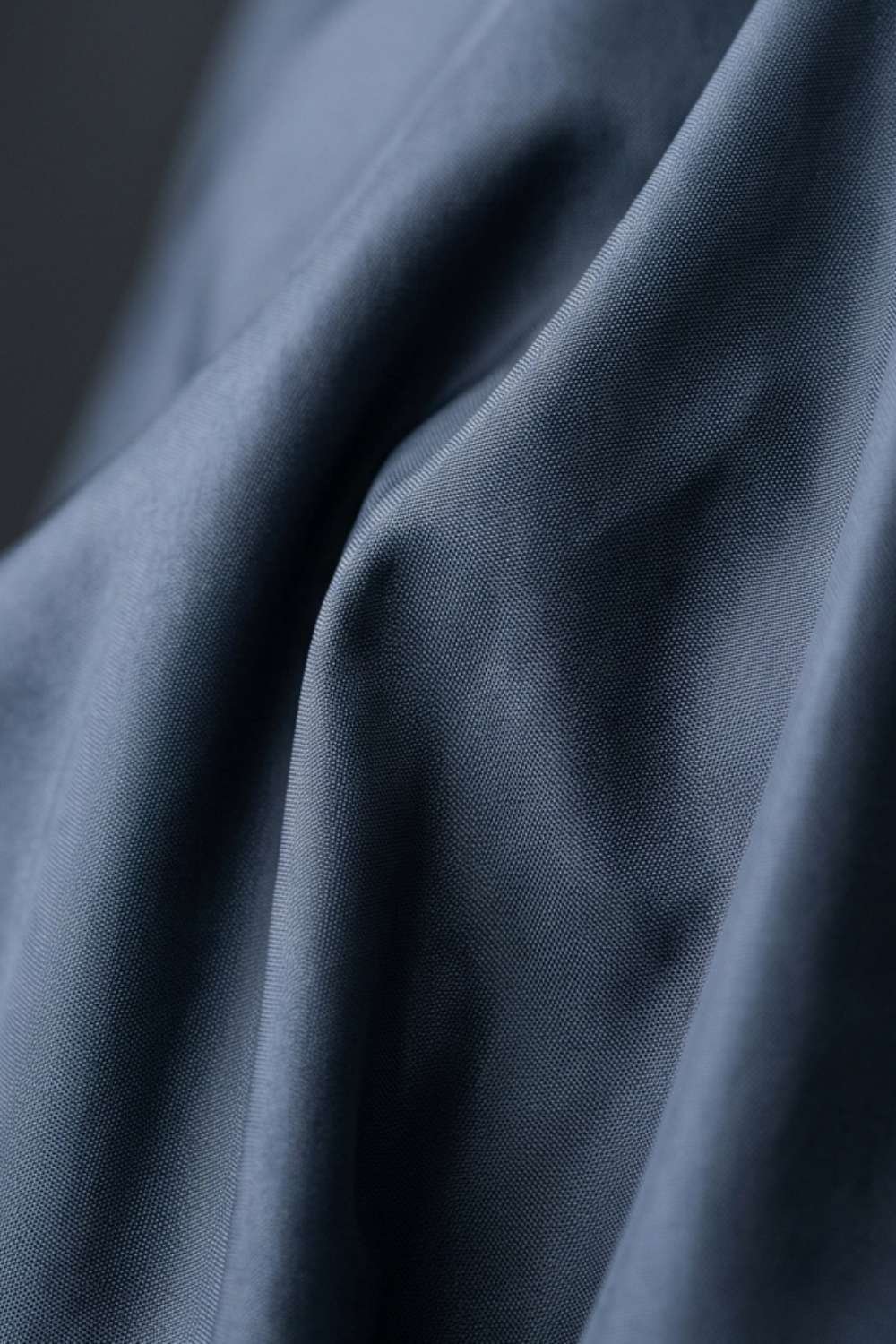
"Nylon polyamide fabric — strong synthetic fibre used in performance and outdoor clothing"
Polyamide meaning: A chemical class of polymers linked by amide bonds — in textile terms this refers to nylon fibres, used widely in hosiery, activewear, outerwear, and linings.
Pile Woven / Knitted
What Are Velvet and Velour Fabrics?
Velvet fabric and velour are both soft pile fabrics — but they are produced differently. Velvet is a woven pile fabric, historically made from silk, now more commonly woven from cotton, polyester, or viscose. Material velvet fabric has an even, dense pile that reflects light beautifully, giving it a distinctive richness. Velour, on the other hand, is a knitted fabric with a cut pile surface — lighter, more stretchy, and easier to care for than woven velvet.
Properties & Care
Velvet requires careful maintenance — it can crush, develop watermarks, and trap dust in its pile. Consequently, most velvet garments are dry-clean recommended. Velour, being knitted, is generally more machine-washable and significantly more popular for loungewear and casual tracksuits. Furthermore, types of wool such as merino are sometimes used for premium velour constructions.
Best Uses
Velvet suits eveningwear, blazers, and accessories — while velour is popular for casual tracksuits and loungewear. Our Custom Tracksuit Manufacturing service includes velour options for premium casual collections.
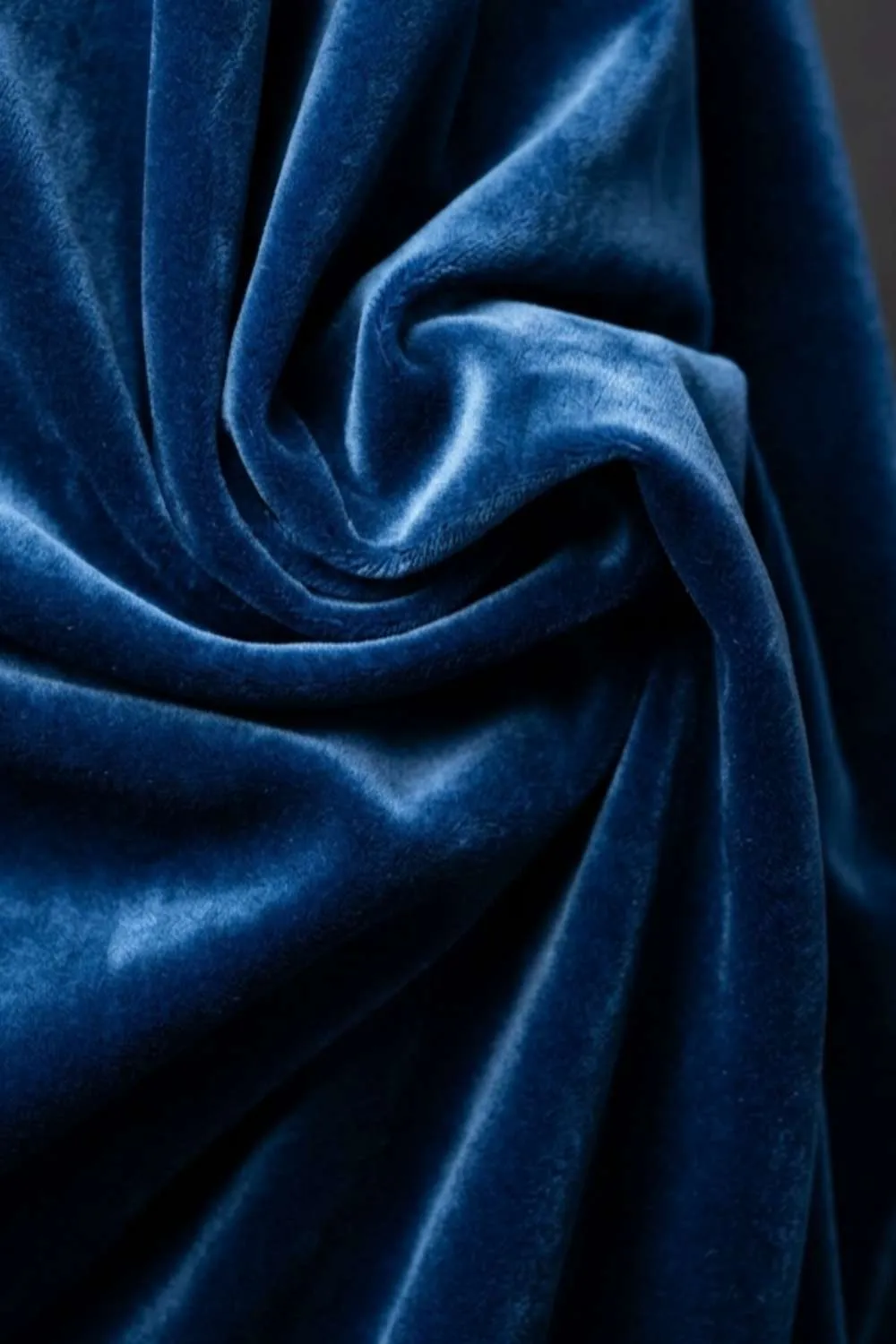
"Velvet fabric — dense woven pile textile reflecting light — used in evening and luxury wear"
Comparison
Viscose vs Modal vs Lyocell — What Is the Difference?
These three fabrics all start from wood-pulp cellulose, which is why they are commonly confused. The difference comes down to manufacturing process, strength, and environmental footprint.
| Fabric | Wood Source | Wet Strength | Eco Rating | Typical Use |
|---|---|---|---|---|
| Viscose / Rayon | Various woods | Low | Moderate | Flowy blouses, dresses, linings |
| Modal | Beech trees | Medium–High | Good | Underwear, soft basics, loungewear |
| Lyocell (Tencel) | Eucalyptus, beech | High | Excellent | Activewear, eco-positioned lines |
Quick rule of thumb: if a brief calls for drape — think viscose. For a soft everyday basic — think modal. For durability with a lower environmental footprint — think lyocell.
Fabric Properties at a Glance — All 15 Types
| Fabric | Origin | Breathable | Stretchy | Wash Ease | Best Season |
|---|---|---|---|---|---|
| Corduroy | Cotton / Cotton-poly | Moderate | Low | Easy | Autumn–Winter |
| Modal | Beechwood pulp | High | Slight | Gentle cycle | All seasons |
| Viscose / Rayon | Wood pulp | High | Very low | Hand wash | Spring–Summer |
| Lyocell | Eucalyptus / Beech | High | Low | Gentle cycle | All seasons |
| Polyester | Petroleum polymer | Moderate | Low–Mid | Machine wash | All seasons |
| Linen | Flax plant | Excellent | Very low | Gentle cold | Spring–Summer |
| Silk | Silkworm protein | High | Very low | Dry clean | All seasons |
| Elastane / Spandex | Polyurethane | Moderate | Excellent | Gentle cold | All seasons |
| Faux Leather | Polyurethane + fabric | Low | Low | Wipe clean | Autumn–Winter |
| Chiffon | Silk / Polyester | High | Very low | Hand wash | Spring–Summer |
| Taffeta | Silk / Polyester | Low | Very low | Dry clean | Formal / All |
| Twill | Cotton / Poly / Wool | Moderate | Low | Machine wash | All seasons |
| Flannel | Cotton / Wool | Moderate | Low | Machine wash | Autumn–Winter |
| Nylon / Polyamide | Petroleum polymer | Moderate | Moderate | Machine wash | All seasons |
| Velvet / Velour | Cotton / Poly / Silk | Low | Slight (velour) | Dry clean (velvet) | Autumn–Winter |
Fabric Selector
Which Fabric Should You Choose for Your Brand?
Matching fabric to end-use is one of the most common places new brands lose time and money. Use this as a starting point — then confirm final composition with your production partner before committing to a bulk run.
| If you're making… | Consider These Fabrics | Explore at Wearlets |
|---|---|---|
| Tracksuits & Jerseys | Polyester, polyester-elastane, nylon-spandex | Tracksuit Manufacturing |
| Soft Basics & Loungewear | Modal, lyocell, cotton blends, viscose-elastane | Sweatshirt Manufacturing |
| Custom Hoodies | Cotton-polyester fleece, cotton-viscose, French terry | Hoodie Manufacturing |
| Custom T-Shirts | Cotton, cotton-viscose, cotton-modal, polyester (sublimation) | T-Shirt Manufacturing |
| Polo Shirts | Piqué cotton, cotton-polyester, viscose-blend | Polo Shirt Manufacturing |
| Outerwear & Varsity Jackets | Corduroy, twill, faux leather, flannel, wool | Varsity Jacket Manufacturing |
| Beanies & Winter Accessories | Acrylic, wool-acrylic, bamboo viscose, cotton rib | Beanie Manufacturing |
| Occasionwear & Eveningwear | Chiffon, taffeta, silk, organza, velvet | Request a Quote |
| Eco-Positioned Lines | Lyocell, recycled polyester, organic cotton, pima cotton | Private Label Manufacturing |
Manufacture with Wearlets
Source the Right Fabric & Manufacture Your Collection
We source fabric to specification for private label and OEM clients — from recycled polyester to lyocell and silk blends — and manufacture across all product categories below.
Custom Hoodie Manufacturing
Cotton-poly fleece, French terry, viscose-blend — premium hoodies at low MOQ.
View ServiceCustom T-Shirt Manufacturing
Screen print, DTG, sublimation — cotton, polyester, and cotton-viscose blends.
View ServiceCustom Polo Shirt Manufacturing
Piqué cotton and performance polyester polos for corporate and sports brands.
View ServiceCustom Sweatshirt Manufacturing
Modal-cotton and heavyweight fleece sweatshirts for lifestyle and university collections.
View ServiceCustom Tracksuit Manufacturing
Polyester-elastane and nylon-spandex tracksuits for sports and athleisure brands.
View ServiceVarsity Jacket Manufacturing
Wool bodies, PU leather sleeves, chenille patches — classic letterman construction.
View ServiceCustom Beanie Manufacturing
Knitted beanies in acrylic, wool-blend, and bamboo viscose with custom embroidery.
View ServicePrivate Label Apparel
Full private label — your labels, your packaging, your fabric spec. Built to order.
View ServiceSoftshell Jacket Manufacturing
Windproof polyester-elastane softshells for outdoor and corporate gifting programmes.
View Service
Frequently Asked Questions
Types of Fabric — Your Questions Answered
Everything brands and buyers need to know about the most common types of cloth fabric used in clothing manufacturing today.
The most common types of clothing material in manufacturing include cotton, polyester, viscose, modal, lyocell, linen, silk, chiffon, taffeta, twill, corduroy, elastane, faux leather, nylon, and flannel. Each has distinct properties — breathability, stretch, drape, durability — that suit different garments and end uses. Furthermore, most production uses blends of two or more fibres to combine the best of each.
All three are cellulosic fibres made from wood pulp, but they differ in manufacturing process. Viscose is the original and most widely produced; modal is a stronger variant made specifically from beech trees; and lyocell fabric uses a closed-loop solvent process that recovers over 99% of chemicals — making it the most environmentally responsible of the three. Consequently, if sustainability is a brand priority, lyocell is the strongest choice.
Neither is universally better — it depends entirely on the garment. Polyester fabric holds shape, resists wrinkles, and wicks moisture, making it ideal for performance wear and tracksuits. Cotton breathes better and feels softer against skin, making it better suited to everyday basics. Furthermore, many brands use polyester-cotton or polyester-elastane blends to balance comfort, durability, and cost across a range of garments.
Lyocell (Tencel) is generally considered the most environmentally responsible cellulosic fabric due to its closed-loop production process. Recycled polyester is a strong choice for performance categories. Additionally, linen, organic material, and pima cotton — a long-staple cotton variety known for its softness — are excellent natural-fibre options for brands building a sustainability story.
Both can be made from cotton, but they are structurally different. Corduroy is a pile weave with raised, cut ridges called wales, giving a textured surface and added warmth. Twill is a diagonal weave that lies flat — giving fabrics like denim and chino their characteristic smooth, ribbed finish. Furthermore, twill is significantly more versatile across different fibre types and garment applications.
For most clothing brands, yes. Faux leather (PU leather or pleather) costs less, requires no animal hide, and is easier to cut and sew at scale — which is why it is widely used for varsity jacket sleeves and jacket trims. However, it is less durable long-term than genuine leather and more sensitive to UV exposure. Consequently, it suits fashion-forward and mid-price collections better than heritage leatherwear.
Yes — polyamide and nylon are the same material. Polyamide is the scientific and European technical term; nylon is the commercial name. Both refer to a synthetic polymer fibre known for its strength, abrasion resistance, and elasticity. Furthermore, polyamide fabric is commonly used in blends with elastane for activewear, swimwear, and outerwear linings.
Yes. Wearlets sources fabric to specification for private label and OEM clients, including organic cotton, recycled polyester, lyocell, modal blends, silk blends, and performance polyamide-elastane fabrics. Swatches and lab dips are available before bulk production begins. Start a quote request to discuss your fabric requirements in detail.
Sublimation printing is a heat-transfer printing method where dye is converted directly from solid to gas, bonding permanently with polyester fibres. It produces vibrant, full-coverage prints with no hand feel on the fabric. Consequently, sublimation works exclusively on 100% polyester or polyester-dominant fabrics — it does not bond with cotton or viscose. Our Custom T-Shirt Manufacturing service includes sublimation options for performance and all-over print garments.
The most popular types of hoodies by fabric are: (1) cotton-polyester fleece (most common — balances softness and durability); (2) French terry cotton (lighter, summer-weight); (3) cotton-viscose blend (silkier feel, popular in premium basics); and (4) organic cotton or recycled polyester (for sustainable brand positioning). Additionally, heavyweight 400+ GSM cotton fleece is increasingly popular for premium drop-weight streetwear styles.
Keep Reading
More from the Wearlets Blog
Ready to Source?
Sourcing a Specific Fabric for Your Next Collection?
Tell us what you are building — our team will recommend the right fabric, weight, and finish for your product, then quote your first sample run.